Extra Serving🎧 Listen
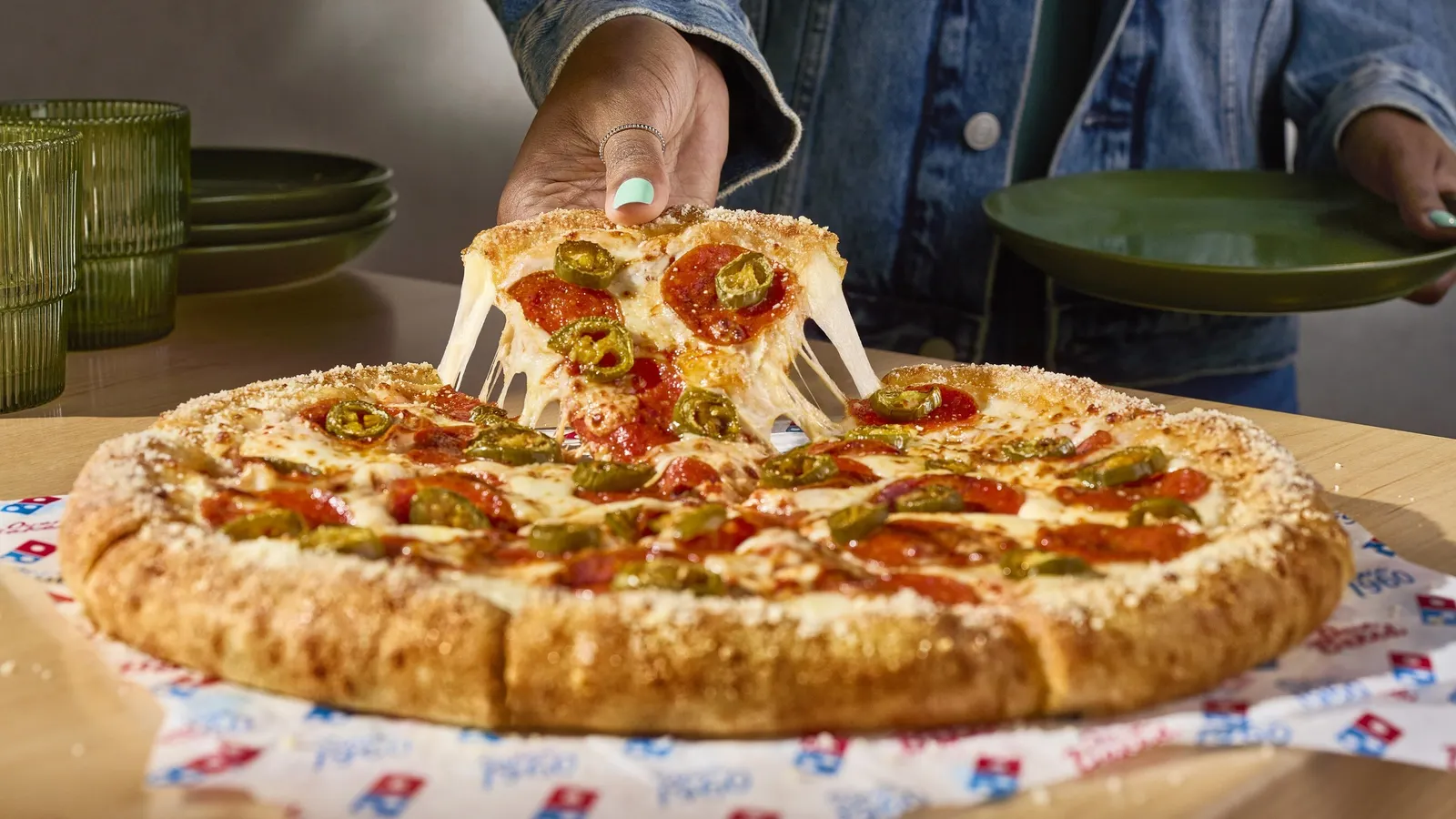
Is Domino’s new pizza as iconic as the Big Mac?
Domino's introduced a Detroit-style pizza offering while Popeyes reintroduced a $6 Big Box promotion, amid signs that fast-food consumers' perception of value is eroding.
24 stories · last 7 days by relevance
Domino's introduced a Detroit-style pizza offering while Popeyes reintroduced a $6 Big Box promotion, amid signs that fast-food consumers' perception of value is eroding.
Dining behavior data from Zest shows that frequency and habit drive restaurant choices more than active deliberation, suggesting operators should focus on building repeat visits over one-time attracti
Bundles serve as a value-communication tool for restaurants without explicit discounting, but their effectiveness appears to vary by daypart—suggesting operators may need distinct bundling strategies
Restaurant operators can use data and AI to gain visibility across multi-unit systems while preserving human judgment in decision-making, suggesting that technology works best as a complement to opera

Papa John's brand perception index has improved year-over-year, but the chain still trails competitors in value and customer satisfaction measures.

A CEO reports that consumers are expressing dissatisfaction with fast-food pricing, signaling potential pressure on chains to reconsider their pricing strategies.
McDonald's loyalty program collects granular customer data including visit frequency predictions and churn scores, illustrating how QSR operators now build detailed behavioral profiles that extend wel

Industry experts debate whether recent moves at Wendy's and Pizza Hut will improve performance, while data indicates independent restaurants are gaining ground relative to chains.
Family-dining chains face headwinds as consumers increasingly opt for specialized dining concepts instead of traditional multi-category venues.

New research indicates GLP-1 adoption patterns are more dynamic and demographically varied than commonly assumed, with men underrepresented in typical characterizations and restaurant-level usage diff

Loyalty programs are increasingly serving as data collection tools rather than purely transactional offers, enabling restaurants to build first-party customer insights.
Coffee concepts are gaining share while pizza concepts face headwinds, and some established QSR chains are undergoing turnarounds, according to Restaurant Dive's Q2 2026 analysis.
Wendy's promoted a new CMO, Pizza Hut separated from Yum Brands, and independent restaurants have seen sales growth, according to a debate between industry analysts.
A restaurant's reservation system captures customer data from busy service nights, creating a record of guest information.
Industry experts are examining the potential federal definition of ultra-processed foods and its implications for restaurant operators, signaling possible regulatory shifts ahead.
A new research roundup from Modern Restaurant Management covers consumer traffic patterns, resale market dynamics, menu pricing, workplace meal programs, private chef demand, and sports bar attributes
QSR Magazine published a report on average-unit volumes for emerging quick-service restaurant brands in 2026.
Lower-ABV cocktails like spritzes and earlier happy hours emerged as top drinking trends over recent months, according to Square data—signaling operators may see sustained demand for lighter, session-

GLP-1 drugs are altering taste perception among users, signaling that food brands may need to reformulate products or marketing strategies to accommodate shifting consumer palate preferences.
The FDA is working to define ultra-processed foods, a regulatory effort that signals potential future shifts in how restaurants may need to disclose or market products.

Buc-ee's has built a high-volume convenience model around foodservice, merchandising, and facility standards that differentiate it in the category.
Operator interviews surface industry sentiment and operational challenges — useful for understanding pizza-segment best practices and pain points.
A benchmarking database of 100+ major chains and operators can help brands contextualize unit economics, ownership structures, and franchise network scale against peers.
Market-size projection with no chain-specific or operator-actionable insight — trend-signaling only.