Loyalty programs alone will not solve QSRs’ frequency problem
Loyalty programs alone are insufficient to boost visit frequency at QSRs; making loyalty interactions more relevant to individual customers is needed to drive repeat visits.
43 stories · last 7 days by relevance
Loyalty programs alone are insufficient to boost visit frequency at QSRs; making loyalty interactions more relevant to individual customers is needed to drive repeat visits.
KFC Global appointed Amy Ellis Durini as Chief Brand Officer in a newly created role, reporting to CEO Scott Mezvinsky starting November 2026, to lead global brand strategy and loyalty initiatives.

Harri finished deploying its workforce management platform across all 2,112 U.S. Jack in the Box locations in a five-month rollout completed December 1, 2025, signaling a major shift toward centralize

The Credit Card Competition Act has gained bipartisan backing and three new sponsors, signaling renewed momentum in legislative efforts to address swipe fee costs that burden businesses.

US Foods launched Menu IQ, a tool that analyzes photographs of handwritten recipes to calculate food costs within minutes, addressing a pain point in restaurant operations.
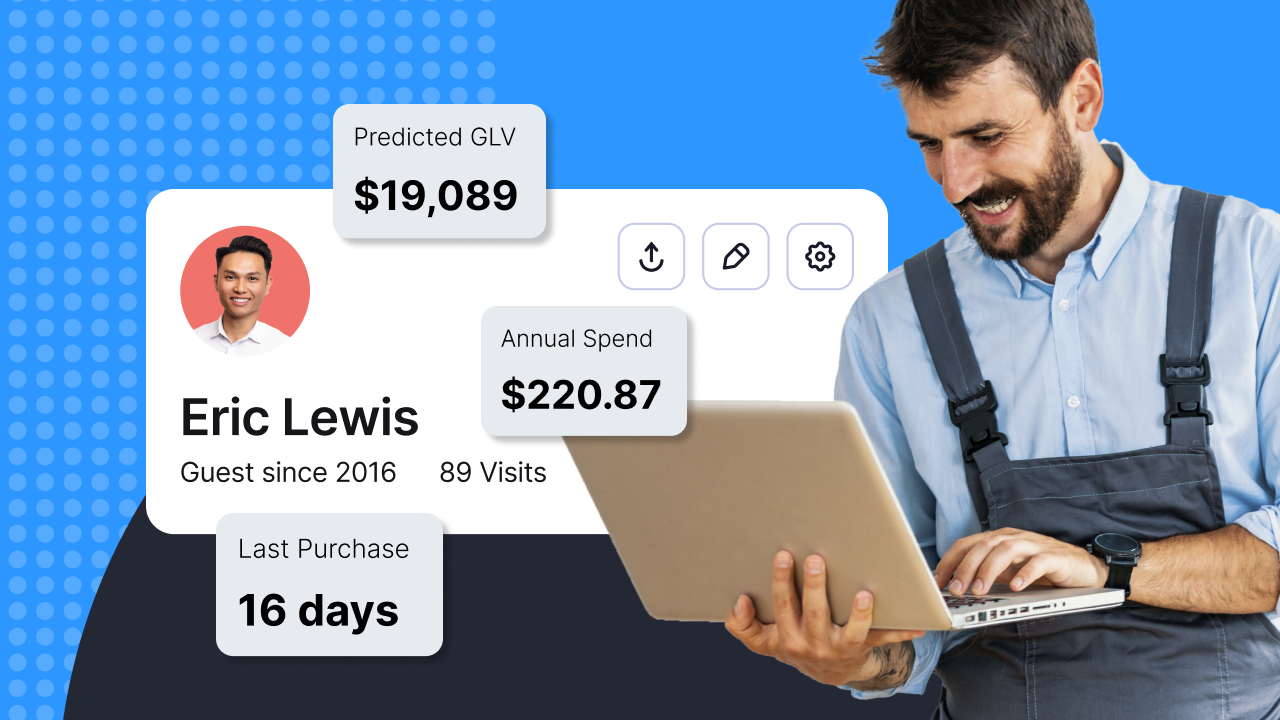
PAR Technology launched Guest360, a guest data platform that tracks restaurant customers across transactions regardless of loyalty program enrollment, designed to work with its existing Punchh loyalty

McDonald's loyalty program collects granular customer data including visit frequency predictions and churn scores, illustrating how QSR operators now build detailed behavioral profiles that extend wel

Burger King is running a weeklong promotional series for Royal Perks members from September 14–20, anchored around National Cheeseburger Day with daily deals including a free Rodeo Burger and buy-one-

Denny's launched a Fall Fest Menu nationwide featuring autumn-themed dishes with apple and pumpkin offerings.

Panera modified its rewards program structure, signaling an effort to deepen customer retention through revised earning mechanics.
SoundHound AI and Acrelec have partnered to develop AI-powered drive-thru technology, signaling continued investment in voice-ordering automation for quick-service restaurants.
Canadian Tire and Tim Hortons have launched a partnership to enhance their loyalty programs.
Pilot Flying J has deployed fast-food kiosks at its locations that integrate third-party delivery apps, signaling a shift toward digital ordering infrastructure in the convenience-store channel.
Haidilao has adopted Infobip's data-driven personalization platform to enhance its global loyalty program, suggesting the chain is investing in customer retention tools as it expands internationally.
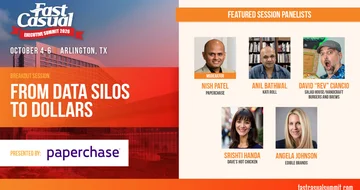
Fast Casual Executive Summit (Oct. 4-6 in Arlington, Texas) will explore how integrating fragmented tech systems into a unified customer view can improve returns for fast casual brands.

McDonald's is testing whether international markets can sustain growth through value deals, menu innovation, and loyalty initiatives despite ongoing consumer pressure.
Farmer Boys is discounting its Big Cheese cheeseburger to $3.99 for rewards members on National Cheeseburger Day, a promotional move that signals chains are using calendar-driven occasions to drive lo

Loyalty programs are increasingly serving as data collection tools rather than purely transactional offers, enabling restaurants to build first-party customer insights.
Major QSR's first-ever loyalty program represents a late-to-market entrant entering a table-stakes competitive battleground with 100+ units expected.
Capriotti's is running a month-long promotional campaign in September offering weekly deals to rewards members, part of its 50th anniversary marketing push.

Starbucks veteran Rob Dellinger has joined Whataburger as Vice President of Restaurant Technology, signaling the chain's push to strengthen its digital and operational infrastructure.
The founder of text-message ordering technology claims his platform powers over 800 restaurant brands including major chains like Shake Shack and Panda Express, signaling that SMS remains a viable ord
Over half of Americans support rounding up purchases for charity, signaling potential for QSRs to mobilize customer bases for fundraising tied to education, hunger, and disaster relief causes.

The Points Guy compared loyalty programs across three major coffee chains, assessing their relative value and benefits for customers.
An e-commerce risk expert has identified fraud as a significant vulnerability in restaurant loyalty programs.
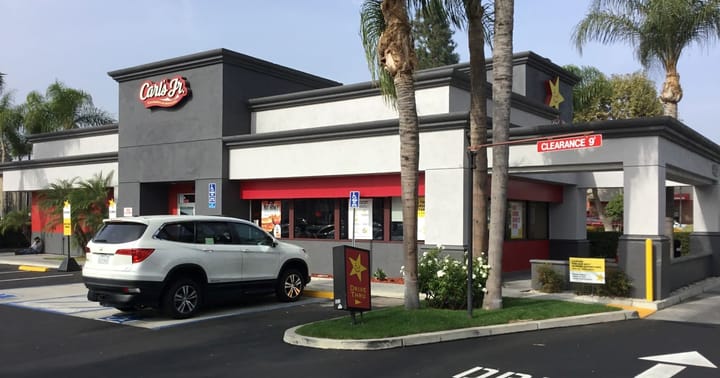
Carl's Jr. has shifted to made-to-order burger preparation, a move the chain credits with improving customer satisfaction scores and lowering food waste.

QSR Magazine reports that value incentives are undermining restaurant loyalty programs, suggesting operators may need to reconsider how discounts and deals interact with program retention strategies.
Dillas Quesadillas is running loyalty-program promotions tied to National Queso Day and National Quesadilla Day across its 11 Texas and Louisiana locations.

Bloom Intelligence reports that high-frequency restaurant guests (10+ visits) represent 2.7% of typical guestbooks, suggesting modern segmentation strategies now layer behavioral signals beyond tradit
EMVCo is proposing a new technical standard layer to distinguish whether an AI agent is authorized to make a specific payment versus having general card access, signaling industry movement toward stru

Pokeworks is running September-long promotions including tiered bonus points for loyalty members and Labor Day offers, signaling continued focus on member engagement and seasonal traffic drivers.

Restaurant operators are increasingly shifting focus from transaction-based metrics like cover counts to guest lifetime value, suggesting a broader industry move toward understanding and retaining ind

Spreedly suggests that beneficial automated agents may emerge as a legitimate commerce channel, shifting industry perception away from bots as solely fraudulent threats.

Block regained a restaurant franchise as a Square customer.
Smashburger renewed its Arizona State University athletics sponsorship for a third consecutive year, expanding its presence at game-day activations.

Kitchen management SaaS adds mobile access to waste/consumption data — relevant for ops teams but no indication of restaurant-brand adoption or scale impact.
Case study of a regional chain's loyalty marketing leadership — useful for peer benchmark, but limited to vendor audience context.
Vendor-published loyalty ROI data claims high returns, but lacks named restaurant customer case studies or implementation specifics.
Vendor content on tier-program UX best practices — useful reference for loyalty designers, but no news about brand deployments or competitive shifts.
Vendor content marketing on share-of-wallet and frequency strategy — generic framework with no restaurant brand case study or product announcement.

Consumer-facing promotional listicle with no operator insight into loyalty program mechanics, effectiveness, or multi-location deployment strategy.