Nation's Restaurant News
Chipotle, Domino’s, food delivery layoffs
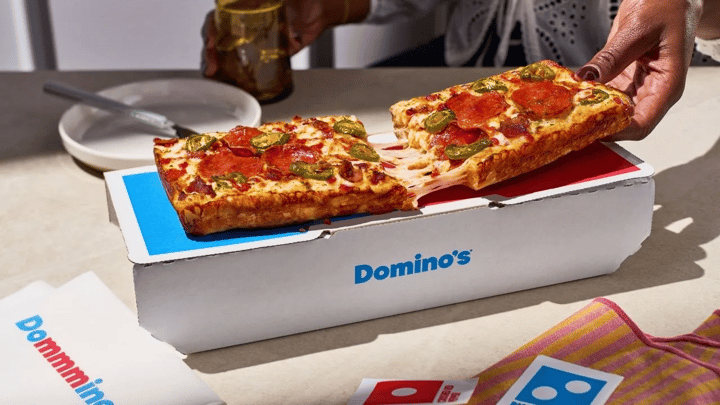
Chipotle, Domino's, and food delivery platforms have announced layoffs.
88 stories · last 30 days by relevance
Chipotle, Domino's, and food delivery platforms have announced layoffs.
California regulators penalized Dickey's Barbecue Pit for deceptive practices toward franchise entrepreneurs, signaling enforcement of disclosure standards in the QSR franchise sector.
Nearly half of restaurant operators surveyed by Toast plan to maintain current staffing levels in 2026, up 10 percentage points from the prior year—signaling growing stability in labor planning after
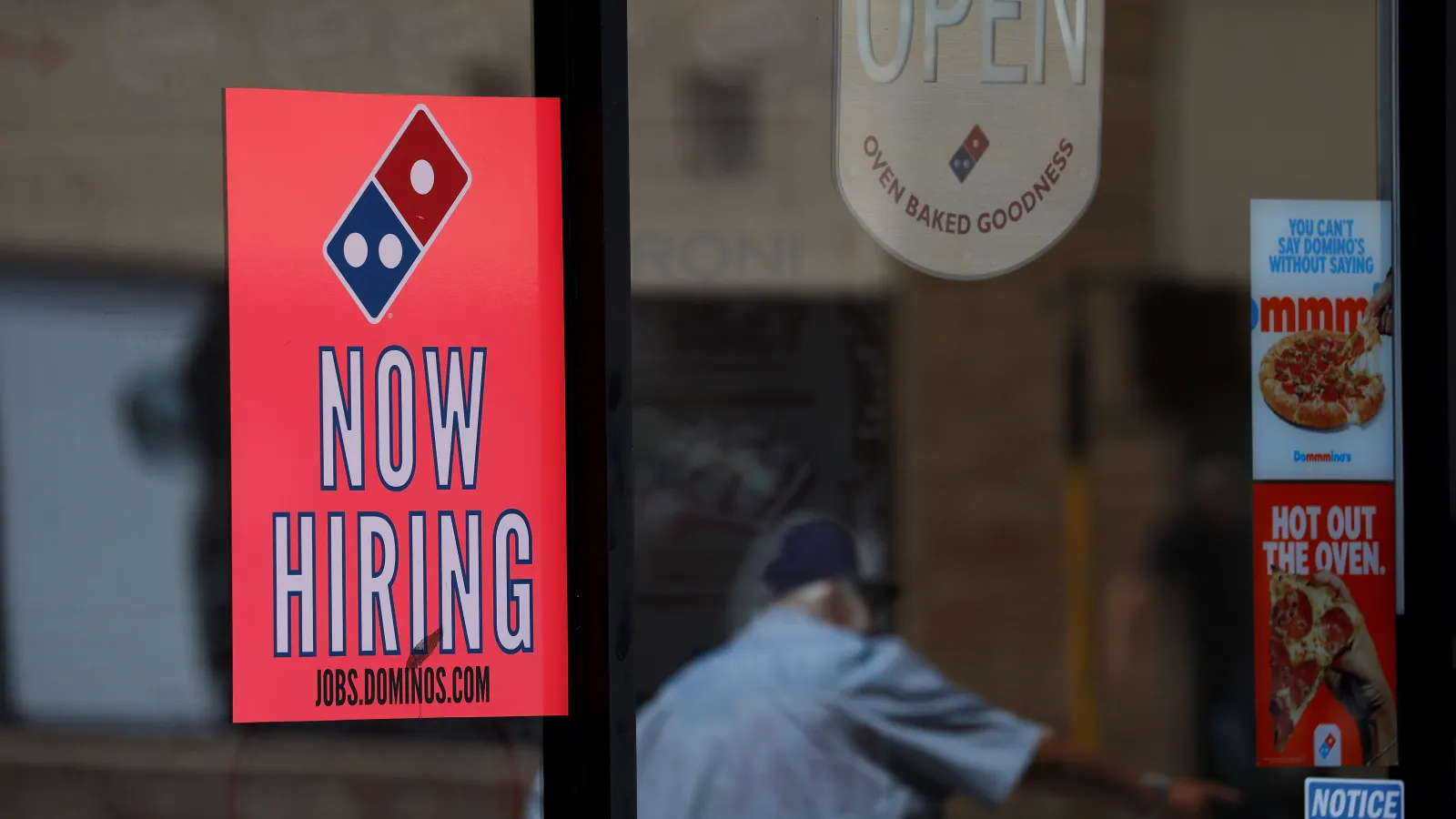
Cava's same-store sales grew 9% in the second quarter, driven by a 5.3% traffic increase, despite a temporary consumer pullback from salad.
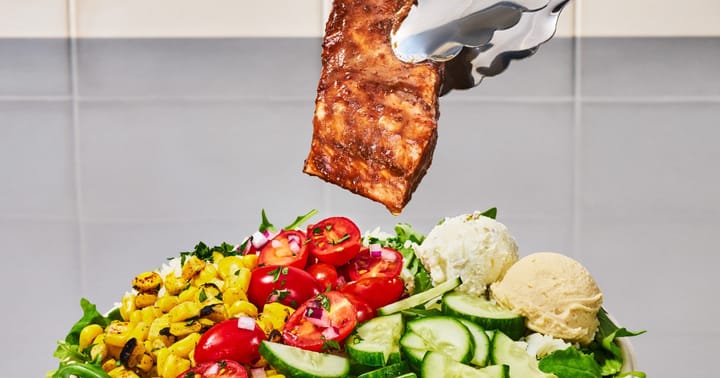
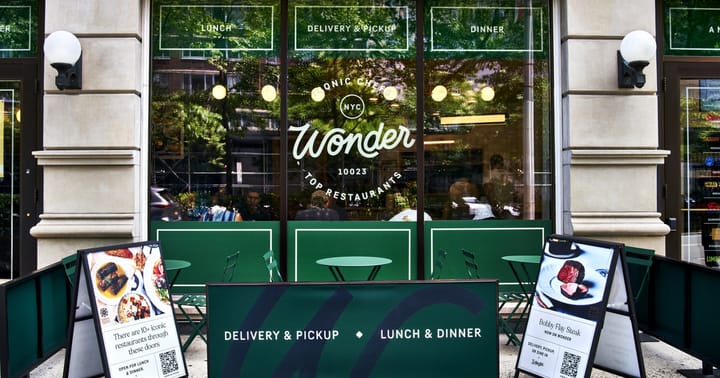
Uber cut over 3,000 employees (10% of workforce) and Wonder laid off 150 this week, signaling that delivery platforms are shifting strategy as they navigate profitability pressures amid market maturat
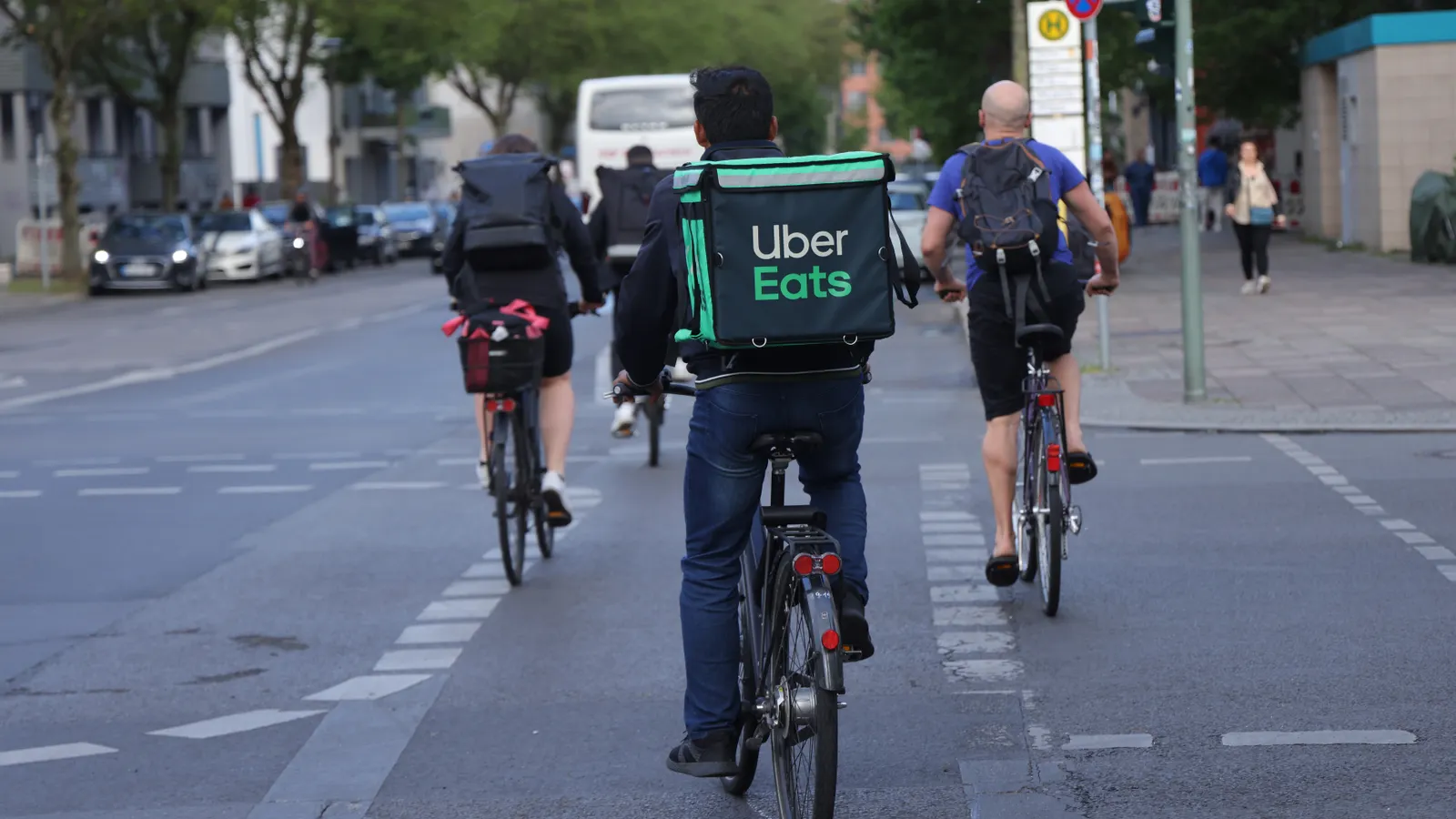
A proposed change to SNAP benefits may affect quick-service restaurant sales across nine states.
Jack in the Box is working with franchisees to close underperforming locations in an effort to improve operator profitability as more struggle financially; the chain's core challenge remains driving s

Subway is implementing stricter approval processes for store closures and encouraging franchisees to extend operating hours, signaling the chain is taking direct operational control to counter domesti

Starbucks is laying off more than 200 workers, with over 100 tied to a restructuring announced in May and 120 declining a relocation to Nashville.
Wendy's breakfast exit and Subway's late-night expansion illustrate that extended hours can backfire operationally and financially for some chains, signaling the need for careful unit-level economics

Restaurants posted job growth in August after two consecutive months of losses, suggesting a near-term stabilization in hiring across the sector.
A restaurant news roundup covers Chili's performance, operational roles, and iconic breakfast establishments, reflecting ongoing industry dynamics across chains and independent operators.
A majority of quick-service restaurant workers who perceived onboarding as inefficient left before their first day, signaling that streamlined hiring processes may reduce pre-employment attrition in t
A recent ruling involving Starbucks has highlighted tensions between maintaining brand standards and complying with labor rights obligations.
Red Robin reported its highest traffic in over three years, attributed to value meal offerings and staffing optimization as part of its ongoing turnaround effort.
A new study claims a proposed $25 minimum wage could cost 5 million jobs, raising questions about what wage increase restaurant operators might find acceptable.

Quick-service restaurants face persistent entry-level labor shortages that have evolved from temporary hiring challenges into a structural operational problem affecting staffing, scheduling, and reten

A Toast survey shows fast casual operators remain growth-focused despite cost and labor headwinds, signaling confidence in the segment's resilience amid near-term operational pressures.
Chili's attributed its sales growth to five operational moves: menu simplification, friction reduction, value positioning, loyalty program infrastructure, and labor investment, signals that establishe
New IRS overtime rules now require employers to report eligible overtime compensation on employee W-2 forms, signaling a shift in how restaurant payroll documentation will need to be handled.

Congress has passed the Common Cents Act, which establishes rounding guidelines for penny phase-out, building on a Trump administration executive order from 2025.

Restaurant operators face cost pressures from food and labor inflation while managing food safety concerns and adapting to shifting diner behavior linked to GLP-1 medication use, creating a complex op
Starbucks is reducing its workforce further as part of a $2 billion turnaround effort, while simultaneously expanding operations in a Southern U.S. city.
Starbucks Workers United is calling for a customer boycott of the coffee chain, citing failed contract negotiations with more than 12,000 unionized baristas.
Rising fuel costs are prompting restaurant chains to reassess their value positioning and financial guidance, signaling pressure on both consumer spending and operational margins.

Restaurant leaders speaking at the 2026 Fast Casual Executive Summit argue that high turnover stems from workplace culture rather than hiring difficulties, suggesting operators may need to focus reten

A major pub and restaurant chain is closing 66 locations today, affecting approximately 3,800 jobs.
A Schoox survey found that a majority of young restaurant workers report inadequate training from employers, highlighting a gap between employee learning needs and what operators provide — a mismatch

A podcast episode explores recruitment and retention strategies for restaurant teams, with Vanteo's Tom Kilby discussing approaches to hire and keep employees in an industry facing persistent staffing
Starbucks is discontinuing a blending powder after baristas reported respiratory issues from airborne particles, aligning the change with its seasonal menu shift.
Starbucks is facing pressure from pro-labor investors seeking to separate board chair and CEO roles while workers' union seeks consumer boycott support over contract negotiations.
Immigration enforcement is increasingly targeting restaurants.
Industry experts are examining the potential federal definition of ultra-processed foods and its implications for restaurant operators, signaling possible regulatory shifts ahead.
FDA's shift to mandatory GRAS review and ultra-processed food definition will reshape ingredient sourcing and compliance burden for multi-location chains; NYC delivery labor organizing signals regulat
McDonald's labor tech solution quantifies shift-coverage economics — franchisees managing absenteeism costs should track whether similar tools apply to their systems.
Some Wendy's franchisees have eliminated breakfast service, and the chain is experiencing reduced customer traffic as a result.
Restaurants are exploring Gen X and Baby Boomer hiring as a potential response to labor turnover, signaling a shift toward older demographics who may bring different workforce characteristics than you
Cash-based labor practices highlight wage/compliance risks and operational complexity that chains need to address as regulatory scrutiny intensifies.
The MAHA movement is advancing a proposed FDA rule to regulate foods labeled as Generally Recognized as Safe, signaling a potential shift in how food safety standards are enforced in the industry.

Taïm's New York City locations were shuttered by state tax authorities over unpaid taxes, signaling potential cash-flow or compliance challenges at the Craveworthy Brands portfolio.

Daily tip payout systems are gaining adoption in restaurants, offering staff faster access to earnings and greater financial visibility.
McDonald's deployed a new app to reduce worker no-shows, according to the company.
Pizzeria operators face multiple workplace hazards including cuts, burns, and fatigue; industry experts suggest that structured training, early incident reporting, and return-to-work programs may help

A restaurant with packed tables and record sales may still be unprofitable if labor costs, menu mix, discounts, delivery fees, and waste aren't managed—signaling that volume alone doesn't guarantee ma
Starbucks has closed another store in downtown Seattle, adding to a pattern of closures and layoffs affecting the chain.
Wonder laid off approximately 150 employees, representing 7% of its workforce, as part of a streamlining effort.
Trump administration announced a temporary tariff lift aimed at reducing beef prices, signaling potential near-term relief for restaurant operators facing commodity cost pressures.

A U.S. court ruled that Starbucks' dress code did not violate labor rights for workers in New York City, suggesting the company's uniform policy survived legal scrutiny on worker protections.
An industry analysis piece examines operational challenges ahead for 2026, signaling that restaurants face continued cost and margin pressures in the coming year.
Craveworthy Brands' Taïm locations in New York were closed due to unpaid taxes, signaling potential cash-flow or compliance challenges for the fast-casual chain.