The restaurant industry is stagnant right now
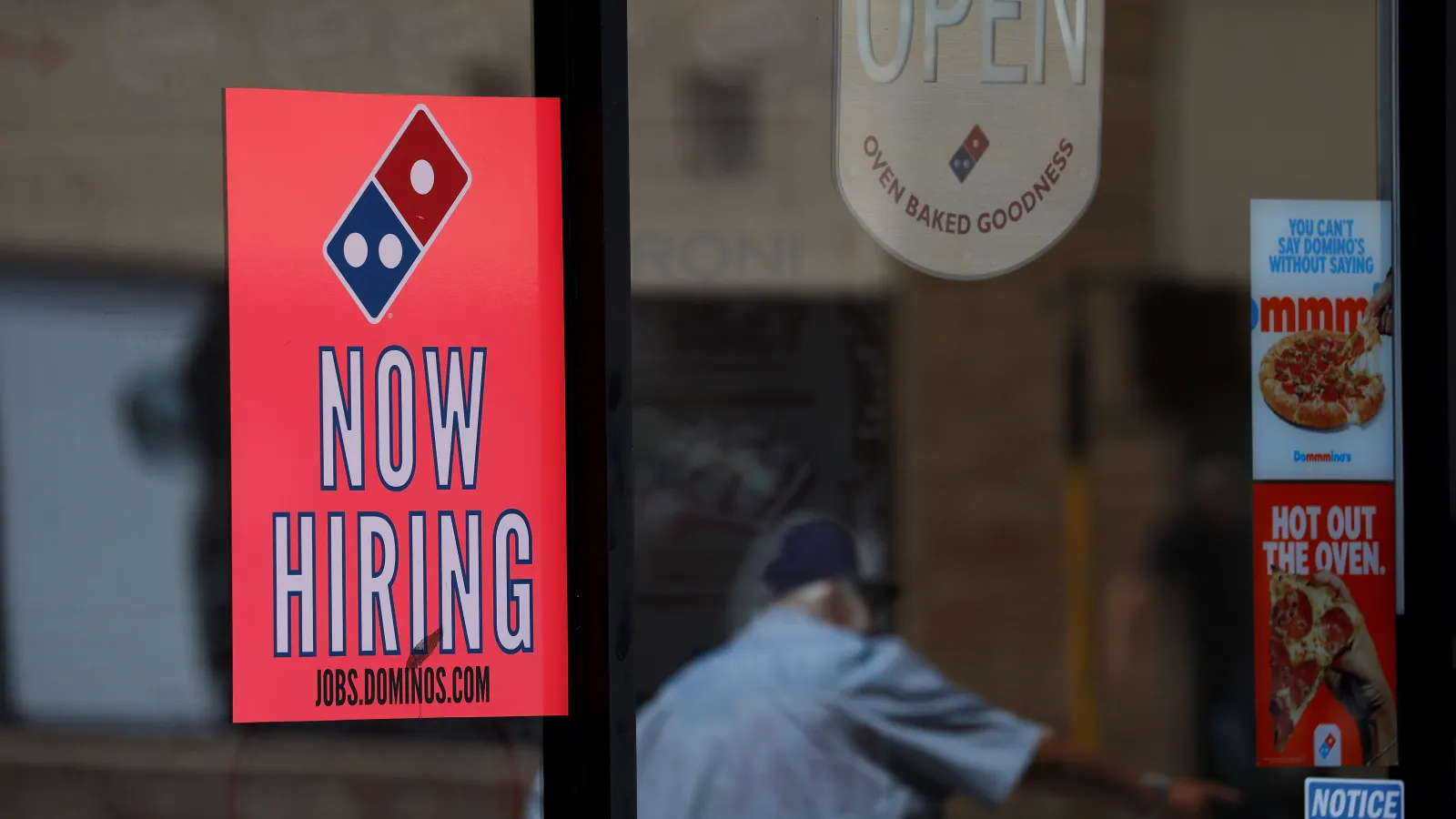
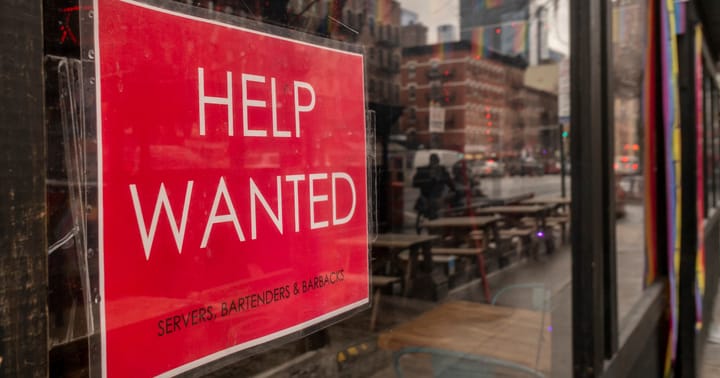
The restaurant industry is experiencing weak hiring, which signals potential market saturation.

142 stories · last 30 days by relevance
The restaurant industry is experiencing weak hiring, which signals potential market saturation.

Full-service restaurants face mounting staffing challenges as legal labor pathways become unclear, compounding existing pressures from volatile demand and turnover.

Thanx has integrated its first-party ordering system directly into Square's POS platform, combining Thanx's ordering interface with Square's commerce infrastructure.

GLP-1 drugs have drawn intense media attention for their potential appetite-suppressing effects on food and beverage consumption, though the article questions whether restaurant operators may be overe

Canadian dessert chain D-Spot Dessert Café is entering the U.S. market with its first location in Dallas, signaling readiness to scale a franchise model beyond its home country.

Restaurant beverage programs, particularly fountain soda, are attracting operator focus due to favorable unit economics and shifting guest expectations, according to Enliven's CEO.
Despite access to unprecedented guest data, restaurants struggle to retain customers, suggesting that loyalty programs alone may not drive repeat visits without translating data into personalized expe

Tiered menu pricing programs may be losing effectiveness as saturation sets in, signaling that restaurants could need to recalibrate their value positioning strategies.

QSR Magazine highlights untold stories from franchisees about leadership challenges and operational turning points, suggesting that personal experiences with hiring and mentorship often shape franchis

Nearly half of U.S. diners switched their favorite restaurant last year, up from 33 percent the prior year—a shift that signals growing customer volatility and potential vulnerability in restaurant lo
Another Broken Egg Cafe launched a royalty relief program aimed at incentivizing franchisees to open additional units, signaling the chain's focus on accelerating unit growth through financial incenti

Twenty-five restaurant executives changed roles in June, including new CEO appointments at Ojos Locos, Cafe Rio, and Erbert & Gerbert's, reflecting ongoing leadership transitions across the industry.

Restaurant franchising is attracting women entrepreneurs who seek business ownership with built-in operational support and growth potential.

Despite increased promotional activity tied to events like the World Cup and America 250, restaurant traffic continues to decline, suggesting heavy discounting may not be reversing underlying traffic

Restaurants are treating in-store audio as a trackable engagement channel alongside other customer touchpoints like loyalty programs and mobile apps, signaling a shift toward measuring and optimizing
Several major restaurant franchisees executed significant acquisition and divestiture deals in the first half of the year, including Red Robin selling company-owned stores and Mas Restaurant Group off

Restaurant operators are adopting voice AI technology to capture phone call data as a way to recognize and engage customers across locations, suggesting the phone channel may become a key loyalty and

Founders Table Restaurant Group, owner of Chopt and Dos Toros, is acquiring Hopdoddy, expanding its portfolio to approximately 200 locations and nearly $500 million in revenue.

A restaurant manager reflects on how generic praise like 'good job' misses an opportunity for more meaningful employee recognition that acknowledges specific effort or skill.

GoTab has acquired Fishbowl, a guest marketing and loyalty platform, to expand its restaurant commerce ecosystem that includes POS, ordering, payments, and mobile solutions.
A Woody's Bar-B-Q franchisee in Florida filed for bankruptcy a second time in three years, citing rising food costs, management issues, and expensive merchant cash advance financing as contributing fa

Ten restaurant chains including Portillo's, Potbelly, and Wingstop are leading menu innovation focused on bold flavor profiles.

Restaurant operators in major U.S. metros are paying elevated commercial real estate costs for dine-in space even as delivery orders grow, creating a potential mismatch between lease expenses and cust

American Express acquired TheFork for $700 million as part of a broader wave of restaurant-tech dealmaking in June.

Liberty Mutual provided $320 million in financing to inKind, a platform designed to help restaurants access capital for expansion, renovations, and operational needs.
Food service and drinking establishments cut nearly 33,000 jobs in June after a hiring surge earlier in the summer, signaling potential softness in consumer demand or seasonal labor adjustments in the

SoundHound AI is introducing voice and agentic AI capabilities for restaurant ordering, drive-thru, and guest service operations, signaling that voice technology is transitioning from experimental to
Skyline Essentials launched SkAI, an AI forecasting platform designed to help independent and multi-unit restaurant operators predict revenue and labor costs—capabilities historically available mainly

TouchBistro is positioning its POS platform as a unified system for orders, payments, operations, and guest engagement, signaling a shift in how restaurant operators evaluate POS beyond traditional tr
Restaurant chain closures have accelerated, with the share of chains shuttering 10% or more of locations nearly doubling since 2023, mirroring pre-pandemic closure patterns.

Futurist op-ed on long-term trends — speculative and generic, lacks concrete operator takeaways or data.

Restaurant brands are increasingly centering their apps around loyalty programs, personalization, and direct customer engagement rather than just order-ahead convenience, signaling a shift toward usin
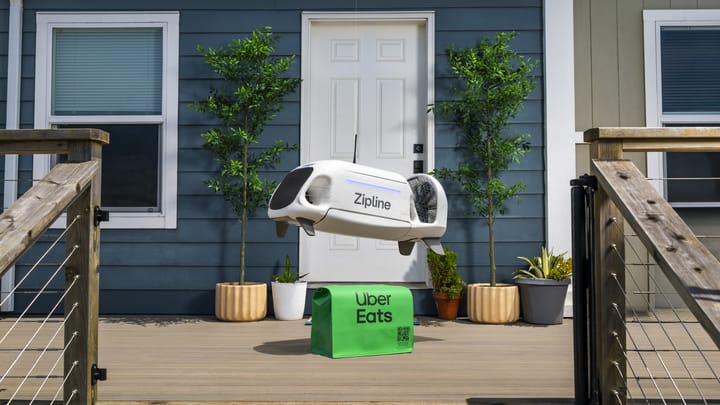
Wonder is partnering with Zipline to add drone delivery to most of its Texas locations by the end of 2027.

Industry observers identify three focus areas for restaurant success in 2026: omnichannel customer experience, transaction tracking as a performance metric, and leadership investment.

Restaurants are increasingly treating catering as a dedicated sales channel rather than an ad-hoc service, suggesting a shift toward more systematic catering operations and revenue capture.

Restaurant chains have faced pressure to maintain profitability as consumer purchasing power diverges, with most struggling to manage cost increases since 2021.

A growing share of major U.S. restaurant chains closed 10% or more of their locations last year, suggesting heightened operational or financial stress across the industry.

Dynamic pricing, subscription programs, and vending machines were once touted as restaurant tech solutions but have largely faded from the industry.

The National Restaurant Association expects restaurants and bars to hire fewer workers this summer amid a stagnant market.

Pending Senate legislation aims to expedite union organizing processes in the workplace.

Recent data shows continued weakness in fast-food traffic and consumer spending, signaling ongoing pressure on restaurant sales momentum.

Yelp is integrating AI-powered guest management tools into its restaurant platform, connecting discovery and operations workflows; this suggests a shift toward consolidating reservation, waitlist, and
Paytronix and Qu have announced an upgraded menu and order integration feature for restaurants.

A Bain report finds consumers plan to cut restaurant spending and view grocery as a key competitor, signaling that operators need to strengthen value positioning to justify dining-out costs.
Dishio, an AI platform for restaurants, reached 350 customers in its first year by helping operators consolidate guest data and boost retention.
A weekly restaurant finance newsletter examines how social media activity influenced restaurant stock performance, with particular attention to Wendy's.

Casey's, a Des Moines-based chain, is gaining share in pizza and wings through everyday low pricing, suggesting a potential competitive advantage in value-focused positioning.

Large restaurant chains are increasingly shutting down rather than seeking acquisition, a shift from pre-pandemic patterns.

A new catering market report analyzes transactional data from over 100 restaurant brands and 8,000+ locations representing more than $1 billion in annual catering volume, offering insights into 2026 c

Red Lobster's bankruptcy in 2024 followed its Endless Shrimp promotion, raising questions about whether the deal was a strategic misstep or the result of deeper operational or intentional issues.