Expedite
Q&A: SevenRooms' Joel Montaniel
SevenRooms' CEO discusses company developments a year after its acquisition.

37 stories · last 30 days by relevance
SevenRooms' CEO discusses company developments a year after its acquisition.
Square has been designated as OpenTable's preferred point-of-sale partner, signaling closer integration between the two platforms for restaurant operators.
Tock has integrated its restaurant reservation inventory into Resy's platform, expanding access to Tock-managed bookings alongside wine venues.

Root vegetables, exotic citrus fruits, and advanced carbonation technologies are gaining traction in beverages as consumer interest in global flavors expands.
The Food Institute examines the difference between attracting recommendations (AEO) and converting them into loyalty (GEO), suggesting the distinction is gaining importance for restaurant and food bus
Fast-food chains are finding that heavy discounting is undermining rather than boosting their performance, suggesting the industry may be reaching saturation with promotional strategies.
An article discusses how data transparency can help foodservice operators identify and reduce costs.
Restaurants are exploring Gen X and Baby Boomer hiring as a potential response to labor turnover, signaling a shift toward older demographics who may bring different workforce characteristics than you
McKinney's 2026 F&B trends report identifies a consumer shift from "goblin mode" toward "pilot mode," where diners seek greater control over daily choices through small, intentional improvements—sugge
A Snaxshot post opens with an Aldous Huxley quote about civilization causing harm, framed as commentary on food safety or foodborne illness risks in modern food systems.

GLP-1 drugs are altering taste perception among users, signaling that food brands may need to reformulate products or marketing strategies to accommodate shifting consumer palate preferences.
A foodservice pricing compliance expert outlines best practices for multi-distributor environments, signaling that negotiated pricing gaps may be a widespread operational issue worth auditing.
FDA enforcement is accelerating alongside stricter state regulations and supplier requirements, signaling that food brands face mounting compliance risks across multiple jurisdictions.
Industry analysts discuss potential impacts of Super El Niño weather patterns on food production and pricing, signaling heightened attention to climate volatility as an operational risk factor.
A Harris Poll survey found that 68% of Gen Z adults view going out as not worth the cost, signaling potential headwinds for on-premise venues targeting younger consumers.
Wheat, sugar, and cocoa prices jumped in August due to war, weather, and supply chain disruptions, signaling potential food cost pressures for restaurant operators in the near term.
Chartwells Higher Education identified five campus dining trends for fall including Gen Z grazing, fibermaxxing, and texture-focused innovation, signaling where student food preferences are shifting.
A Food Institute news brief covers leadership changes at Wendy's and new data on U.S. protein consumption trends.
Ranch dressing is gaining global traction, spurring product innovations including new brands and flavor variants, though foodborne illness concerns have accompanied its rise.
African cuisine is gaining visibility in the U.S. restaurant market, though African food businesses face barriers to expansion, signaling both emerging opportunities and structural challenges in the c
Tariffs are prompting food and beverage companies to reassess sourcing, refund policies, and financial planning, signaling growing operational complexity in supply chain management.
Buc-ee's has built a high-volume convenience model around foodservice, merchandising, and facility standards that differentiate it in the category.
Circana's 2026 report finds Americans are consuming nearly twice the recommended daily protein intake, with demand continuing to rise—signaling sustained opportunity for operators to feature protein-f
Whole milk and full-fat dairy are seeing increased interest as consumers using GLP-1 weight-loss drugs and seeking higher protein intake shift their purchasing patterns.
Broad supply-chain cost pressure affects restaurants but is CPG/ag-focused; no actionable strategy for individual brands.
Jargon explainer about tech terminology — generic martech content with no specific restaurant business application.

General influencer marketing advice for food brands — not specific to restaurant chain operations or strategy.
Broad food-industry policy roundup with limited restaurant-operator specificity; artificial-color removal and ranching policy are CPG/supply issues, not chain strategy.
CPG allergen-management case study; relevant only to restaurant brands operating their own manufacturing or managing strict allergen protocols across shared facilities.
Grocery supplier recall of frozen berries — relevant to restaurants only if they source GreenWise through Publix; no indication of restaurant-chain impact in snippet.
Generic industry digest with no detail provided; 'micro-targeting' claim requires actual story to assess relevance.
Vague funding hook with obscure tech mention — insufficient substance for multi-location operators.
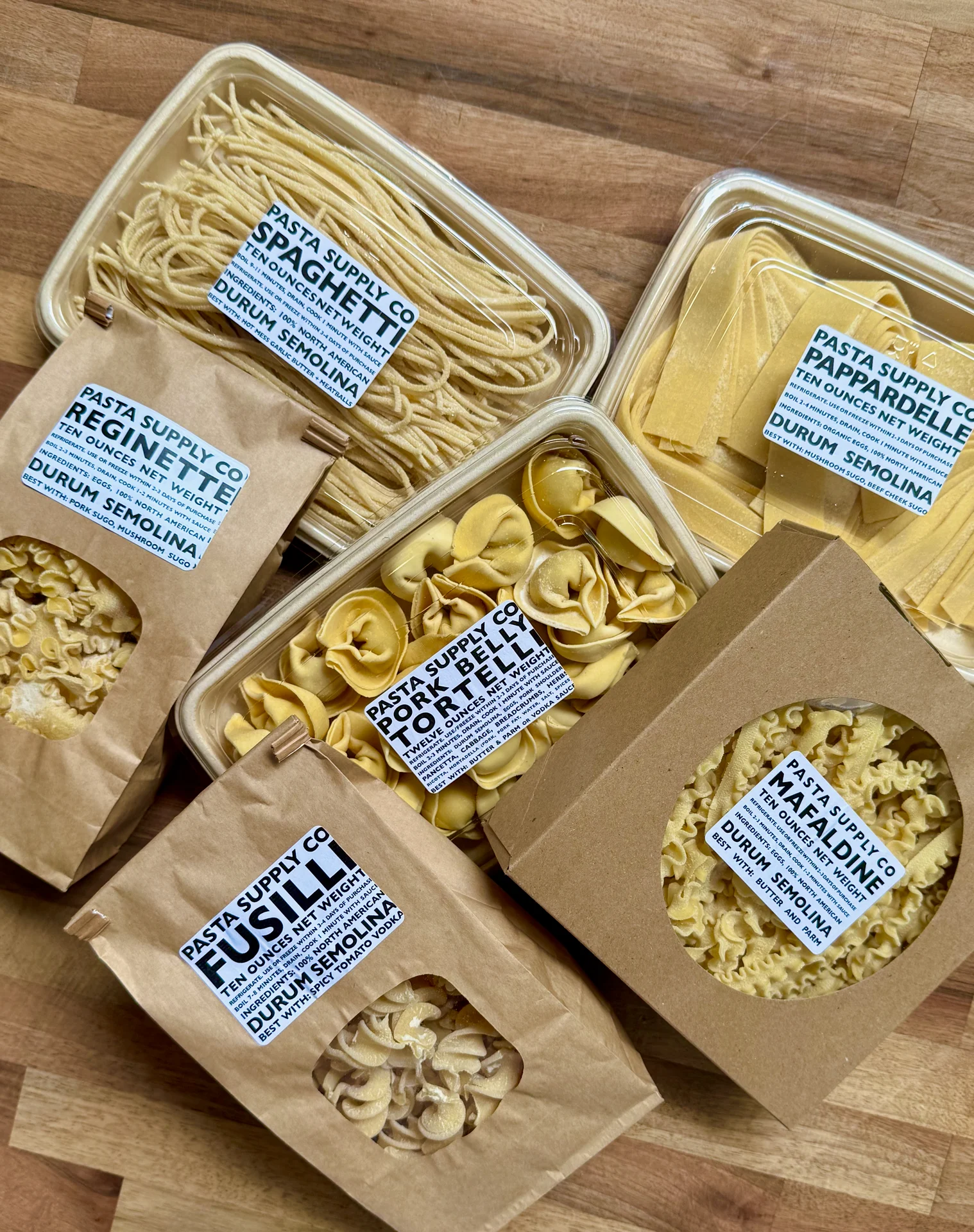
Gen Z consumer trends guide (functional drinks, customization) applicable to all F&B — relevant only if operators haven't internalized personalization and premiumization already.
GLP-1 weight-loss drug adoption is reshaping food preferences, but this story focuses on CPG strategy, not restaurant menu or marketing implications for chains.
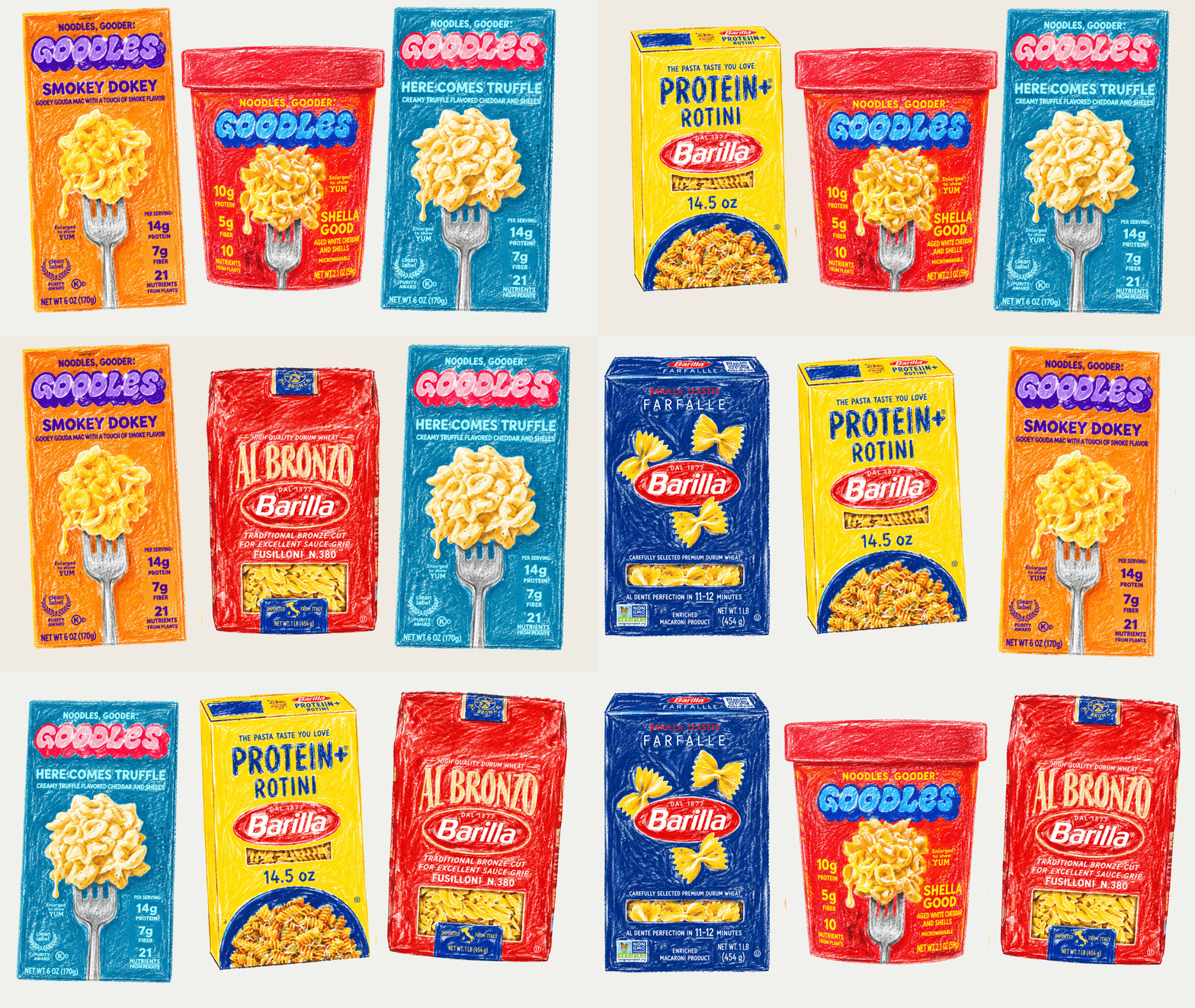
CPG acquisition story (Barilla/Goodles) — not restaurant-industry relevant; audience cares about chain M&A, not packaged-goods manufacturing deals.
Grocery-focused loyalty trend — tangential to restaurants; no chain or restaurant-specific insight offered.
Food-policy commentary on ultra-processed food definitions — relevant only if your brand faces regulatory labeling or menu reformulation pressure.