Barron's
Sit-Down Restaurant Stocks Are Beating Fast Casual in Reversal From Covid Era
Sit-down restaurant stocks are outperforming fast-casual peers, marking a shift from pandemic-era trends when faster-service formats gained relative strength.
901 stories · last 30 days by relevance
Sit-down restaurant stocks are outperforming fast-casual peers, marking a shift from pandemic-era trends when faster-service formats gained relative strength.
Adyen reported 28% growth in in-person payment volume in the first half, outpacing overall volume growth, while the company emphasizes loyalty integration as merchants navigate omnichannel commerce.

Portion reduction is a widespread 2026 trend — understanding the cost/perception trade-off is critical for multi-unit pricing and value positioning.
Sysco has outlined its strategy for integrating the Jetro Restaurant Depot acquisition, signaling potential shifts in how the distributor consolidates independent restaurant supply channels.
A major Moe's operator has filed for bankruptcy, though the source provides no details about the operator's identity, location, scale, or reasons for the filing.
Payment processor Adyen expanded its partnership with Toast into the U.S., bringing a collaboration that had operated in Ireland, the UK, Canada, and Australia. The move signals consolidation around i
Restaurants are increasing customer technology investments despite traffic remaining 7% below pre-pandemic levels, suggesting operators see tech adoption as essential for competing in a slower-recover
Yogurtland has structured its franchise model in ways that retain operator interest, though the specific mechanisms driving retention are not detailed in the available text.
Two UCLA students created a food-delivery solution that Shake Shack endorsed as its favorite courier, reportedly motivated by inefficiencies in how traditional vehicles deliver small orders.
Restaurant industry leaders are highlighting connected kitchen equipment and integrated technology platforms as key emerging tools in the restaurant tech space.
Maria Rivera, former Krispy Kreme president, has launched RC Hospitality Group to support emerging restaurant brands led by female and minority entrepreneurs.

Erbert & Gerbert's appointed Randy Ashbrook as COO, bringing four decades of operations experience from McDonald's, Arby's, Inspire Brands, and Taco John's; the hire signals the chain is investing in
Franchise developers are shifting away from traditional incentives like discounted fees toward royalty relief to attract multi-unit operators, signaling that the older playbook no longer moves prospec
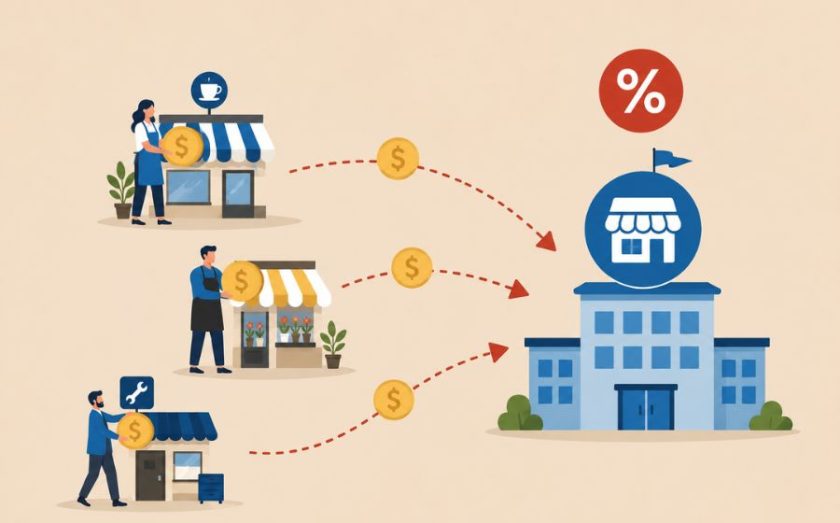
Restaurant operators are adopting AI tools to extract insights from data more efficiently, signaling a shift toward automation in decision-making workflows.
Major quick-service and casual-dining chains including Taco Bell, Popeyes, Burger King, Applebee's, Chipotle, and others have introduced new menu items.
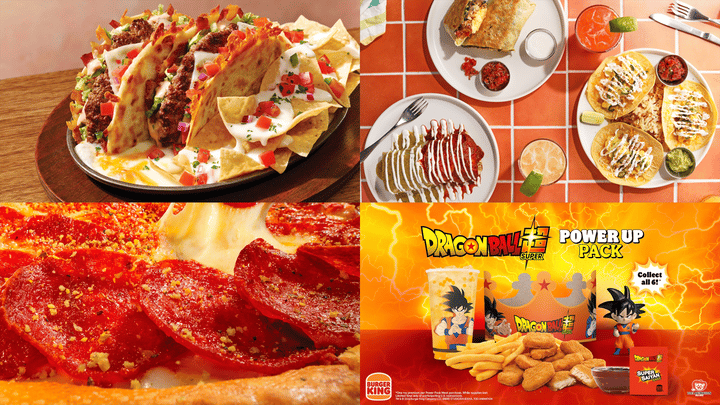
Major chains including Panera, Qdoba, Applebee's, and others are featuring cheese-forward dishes on fall menus, signaling continued consumer appetite for indulgent, comfort-food ingredients.

Fall-themed menu items including pumpkin spice, pecan, and tiramisu are appearing on restaurant menus, though consumer demand for these flavors remains unclear.

Restaurant consultant David Scott Peters recommends holiday menus focus on operational simplicity and profitability through dish costing, inventory optimization, and testing—suggesting operators shoul
A restaurant technology executive argues that thin industry margins may not be inevitable structural constraints, suggesting operators should reconsider conventional wisdom about profitability limitat
MarginEdge raised $80 million in Series D funding, with existing investors participating in the round, signaling sustained confidence in AI-driven restaurant operations software.
Loyalty platform unifies multiple restaurant groups — real product deployment, but no named brands, financials, or adoption scale provided to assess impact.
Four restaurant stocks have gained 50% or more over six months; the article suggests improving earnings, margins, and operations could sustain momentum.
QSR Magazine published a report on average-unit volumes for emerging quick-service restaurant brands in 2026.
QSR Magazine has identified seven franchisors highlighted as worth monitoring in 2026.
Events and private dining have become important revenue streams for restaurants, but the booking process remains inefficient, according to TripleSeat's CEO.
Jason's Deli and Omnirev leaders will discuss how AI and guest data can drive customer retention and revenue in catering at the Restaurant Catering Workshop in Arlington, Texas on October 6–7.

Retail Food Group's EBITDA fell 31% while its franchised network shed 29 locations, signaling financial pressure amid store rationalization.
A restaurant chain is reducing its restaurant sizes as a growth strategy, suggesting smaller formats may enable faster unit expansion.
Restaurants are introducing menu items marketed as 'GLP-1 friendly' in response to growing adoption of weight-loss drugs, signaling an emerging consumer segment operators may need to address with port
Comptoir Group delivered stable first-half performance while expanding its franchise model internationally, signaling confidence in its multi-unit growth strategy.
Jollibee acquired full ownership of its US Tim Ho Wan operations and transferred its Japan stores to a partner, signaling a strategic realignment of its international portfolio.
A bankrupt Italian restaurant chain has closed 50 locations and exited a state entirely, illustrating the financial pressures facing multi-unit casual dining operators.
Quiet closures across a major operator suggest cost pressure or portfolio consolidation — context on which brands and why is needed to assess impact.
Pokeworks expanded its franchise footprint and introduced new menu items during the first half of 2026.
McKinney's 2026 F&B trends report identifies a consumer shift from "goblin mode" toward "pilot mode," where diners seek greater control over daily choices through small, intentional improvements—sugge
Teriyaki Madness hired Jake Lowell to expand its real estate support function, signaling the brand's focus on differentiating through site selection and development infrastructure.
A restaurant with packed tables and record sales may still be unprofitable if labor costs, menu mix, discounts, delivery fees, and waste aren't managed—signaling that volume alone doesn't guarantee ma
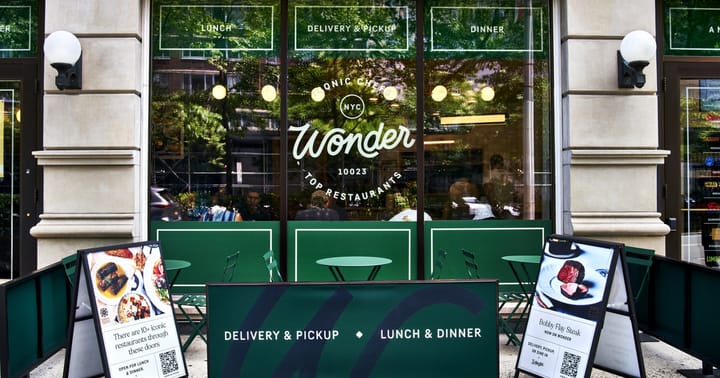
Wonder laid off approximately 150 employees, representing 7% of its workforce, as part of a streamlining effort.
Trump administration announced a temporary tariff lift aimed at reducing beef prices, signaling potential near-term relief for restaurant operators facing commodity cost pressures.

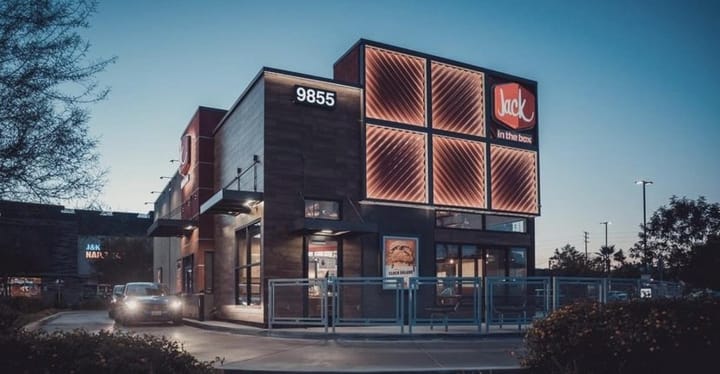
Taco Bell references a past campaign, Jack in the Box announced a CEO successor, Chipotle targets Gen Alpha consumers, and California Pizza Kitchen launched vending machines.
Chili's is experiencing momentum, Taco Bell is incorporating Tajin into its menu, and Chick-fil-A is exploring waffle offerings.
An industry analysis piece examines operational challenges ahead for 2026, signaling that restaurants face continued cost and margin pressures in the coming year.
Private equity investment at the franchisee level presents trade-offs for restaurant operators, with potential capital access balanced against operational and financial pressures.
Delaware North has partnered with TipHaus to standardize tip management across its restaurant and hospitality portfolio.
Restaurant loyalty programs that focus solely on points-based rewards may miss guest expectations for personalization and recognition, signaling that operators should consider broader experience-drive
According to PYMNTS Intelligence, only 23% of merchants can currently identify AI-driven traffic and purchases, suggesting most retailers lack visibility into how AI agents are influencing their digit

A Snaxshot post opens with an Aldous Huxley quote about civilization causing harm, framed as commentary on food safety or foodborne illness risks in modern food systems.

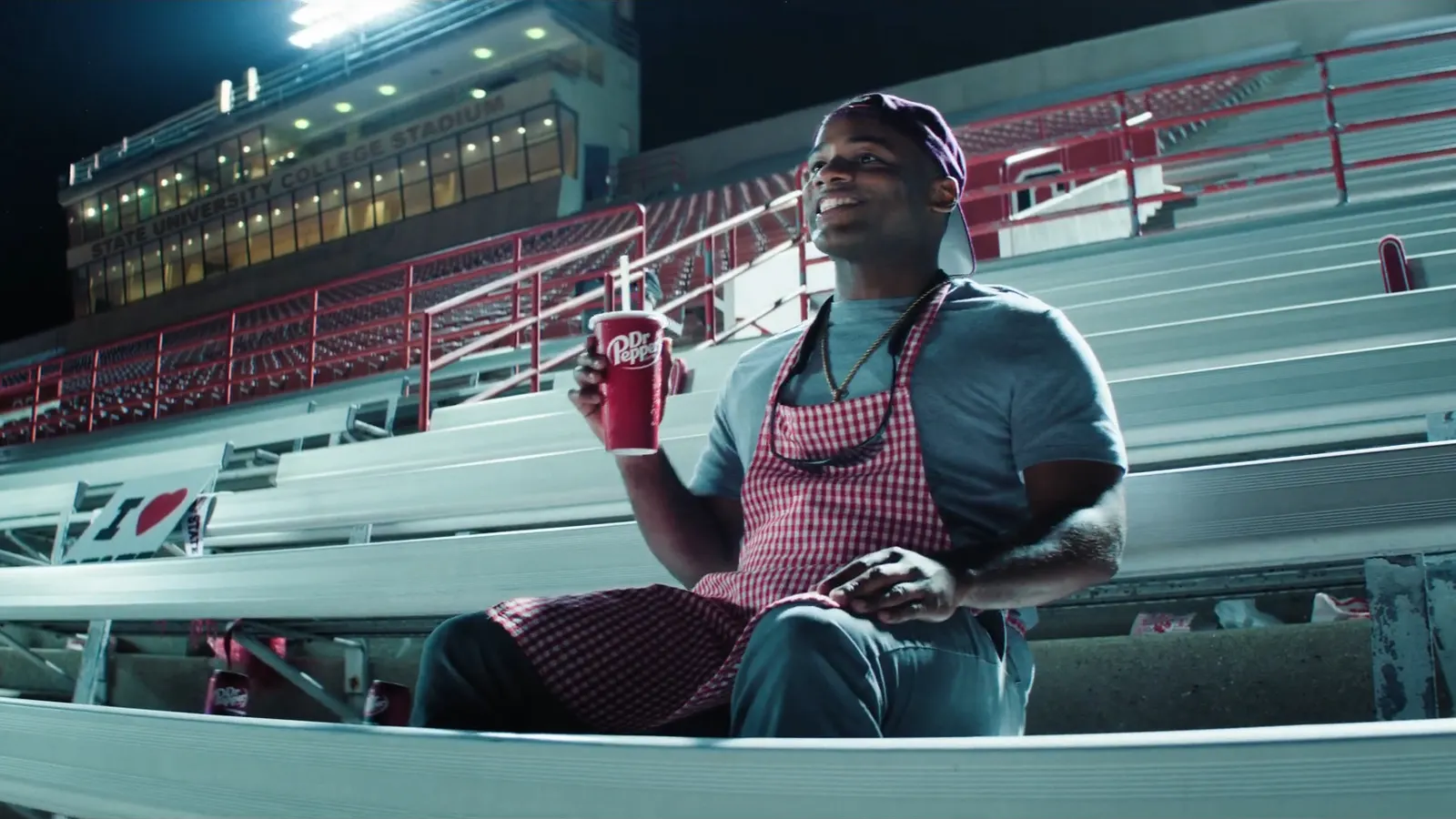
Dr Pepper's 'Fansville' campaign, now in its ninth season, uses personalization to drive college football audiences and lift sales, signals the durability of branded entertainment in sports marketing.
Synchrony reports that AI is expanding payment touchpoints beyond traditional checkout, signaling that fintech firms must prepare infrastructure for transactions initiated across multiple platforms an