QSRweb
Whataburger launches More for $4 value menu
Whataburger introduced a value menu called More for $4.

859 stories · last 30 days by relevance
Whataburger introduced a value menu called More for $4.
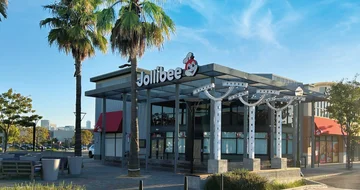
Jollibee is using a selective 90-day vetting process for North American franchisees to ensure cultural alignment, signaling that QSR chains are increasingly prioritizing brand-culture fit over rapid e
FSR Magazine profiles five female leaders at First Watch, a brunch chain with over 630 locations, tracing their diverse career paths to their current roles at the brand.

Jimmy John's secured an official sponsorship partnership with ESPN's College GameDay, gaining presence at the show's stops throughout the college football season and relaunching its Fan Feast meal as

Consumers now evaluate restaurants against a broader competitive set including grocers and convenience stores, choosing based on specific meal needs rather than dining category alone.
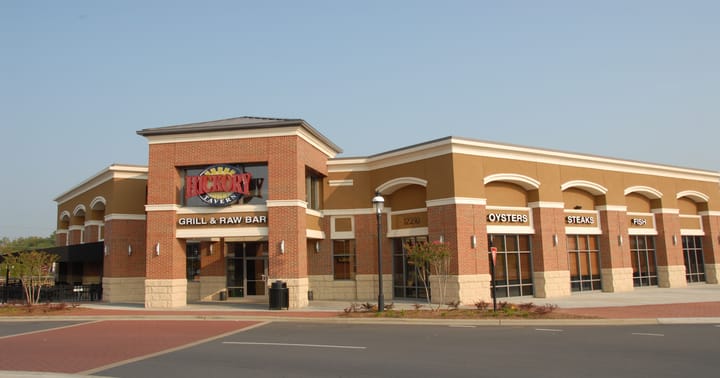
Artistry Restaurants closed four Hickory Tavern locations citing cannibalization, leaving 16 units operating in the Carolinas.
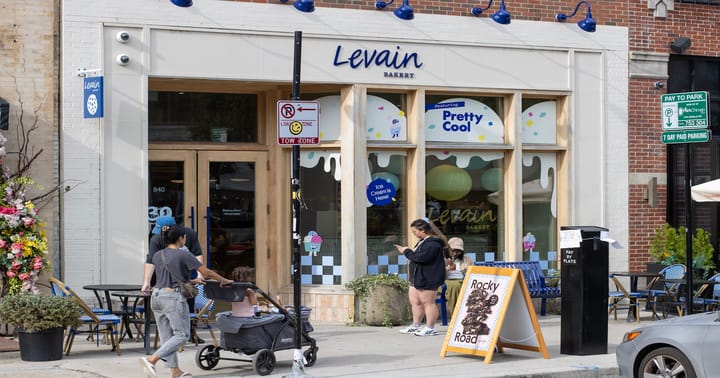
Levain Bakery has promoted two long-time executives to co-CEO roles as the chain, which operates 19 units, enters a new growth phase, with departing CEO John Maguire remaining on the board.
Buffalo Wild Wings introduced a limited-time Throwback Menu featuring archived items and partnered with Von Dutch on branded merchandise, signaling nostalgia-driven marketing and potential collaborati

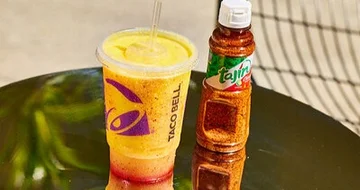
Taco Bell is launching a limited-time offering featuring Tajín seasoning and a collaboration with artist Peso Pluma.
Grimaldi's is expanding its presence in Southwest Florida.
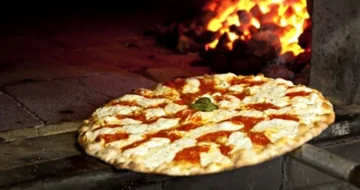
QSR brands are reconsidering site selection criteria beyond traditional metrics like traffic counts and demographics, moving toward evaluations based on how customers actually move through locations.
Evergreen is offering reduced royalty rates to attract its first franchisees, with the chain's top-performing company-owned locations (excluding airports) averaging over $1.45 million in annual sales
Uber cut 10% of its workforce (3,300 jobs) as part of a reorganization aimed at streamlining operations, signaling pressure to improve efficiency amid competition in ride-sharing and delivery.
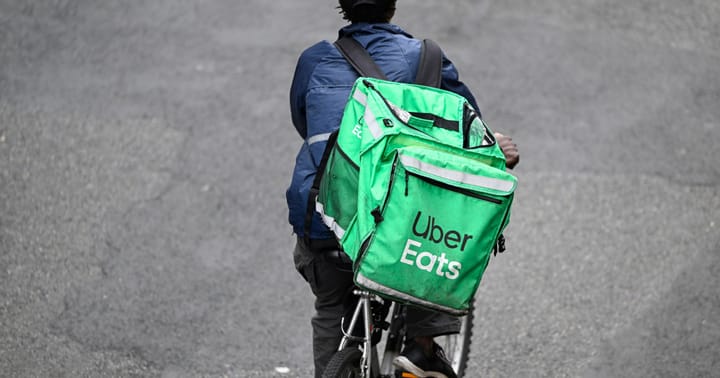
Fast Casual Executive Summit (Oct. 4-6 in Arlington, Texas) will explore how integrating fragmented tech systems into a unified customer view can improve returns for fast casual brands.

Consumers are evaluating food choices across multiple criteria—mood, budget, time, and trust—suggesting operators need to address these layered priorities simultaneously to remain relevant.
Restaurant traffic has recovered following a Cyclospora outbreak.
Bank of America credit-card data shows younger and lower-income consumers are increasing restaurant spending, with independent restaurants capturing more of that growth than chains.
Bounteous and Deliverect have partnered to enhance first-party digital ordering capabilities.

A former Papa Johns delivery driver built a 105-unit franchise operation across six states, signaling that internal mobility and regional focus can create significant franchise growth within establish
A joint DoorDash and SevenRooms industry report suggests that while restaurants invest significantly in visibility, converting discovered diners depends on what happens in the moments they first engag
Starbucks and Dunkin' have moved their fall menu launches earlier, with other brands rolling out pumpkin spice offerings in a trend toward extended seasonal promotions—signaling operators should weigh
Restaurant operators face cost pressures from food and labor inflation while managing food safety concerns and adapting to shifting diner behavior linked to GLP-1 medication use, creating a complex op
Operators are increasingly favoring second-generation restaurant spaces over ground-up builds, valuing lower costs, faster openings, and reduced risk.
Planned 2026 restaurant openings span a mix of formats—from compact quick-service to casual and upscale—contradicting the prevailing narrative that smaller footprints and reduced dine-in capacity defi
A&W is emphasizing flexible restaurant formats—including small-footprint non-traditional locations like airports and college campuses—as a core part of its expansion strategy to reach more customers a
Wingstop's chief brand officer is departing the company; Donnie Upshaw, who joined in 2018 as VP of human resources, held the role before his exit.
7 Brew is bidding to acquire Salad and Go's closed store locations and challenging Dutch Bros' exclusive agreement to lease 64 sites, signaling ongoing consolidation and site competition among fast-ca
Chili's multi-year same-store sales streak shows that operational excellence in staffing, supply, and service still drives casual-dining outperformance.

Most full-service restaurant groups pursue growth through unit expansion or price increases, but a third revenue lever exists that operators commonly overlook.
Burger King is running a weeklong promotional series for Royal Perks members from September 14–20, anchored around National Cheeseburger Day with daily deals including a free Rodeo Burger and buy-one-

New York City's mayor signed legislation allowing outdoor dining on roadways year-round and permitting winterized structures, signaling a shift toward permanent infrastructure for al fresco service.
Cyclospora contamination in the food supply poses distinct challenges for restaurant operators because the parasite spreads through supply-chain routes that are difficult for individual restaurants to
Wendy's breakfast exit and Subway's late-night expansion illustrate that extended hours can backfire operationally and financially for some chains, signaling the need for careful unit-level economics

Domino's developed a single-serve pizza with design goals centered on taste, customization, and operational efficiency, with the rectangular shape echoing the brand's iconic logo.

A podcast episode featuring a TD Bank restaurant finance executive discusses Subway's plan to extend late-night hours and its potential profit implications.

Commercial real estate dynamics are shifting the restaurant landscape, with industry experts discussing how operators should adapt to changing lease and location strategies.

Freddy's Frozen Custard & Steakburgers signed an eight-unit franchise agreement to expand in Arkansas and Texas, continuing its franchise growth strategy in the South.
Coffee concepts are gaining share while pizza concepts face headwinds, and some established QSR chains are undergoing turnarounds, according to Restaurant Dive's Q2 2026 analysis.
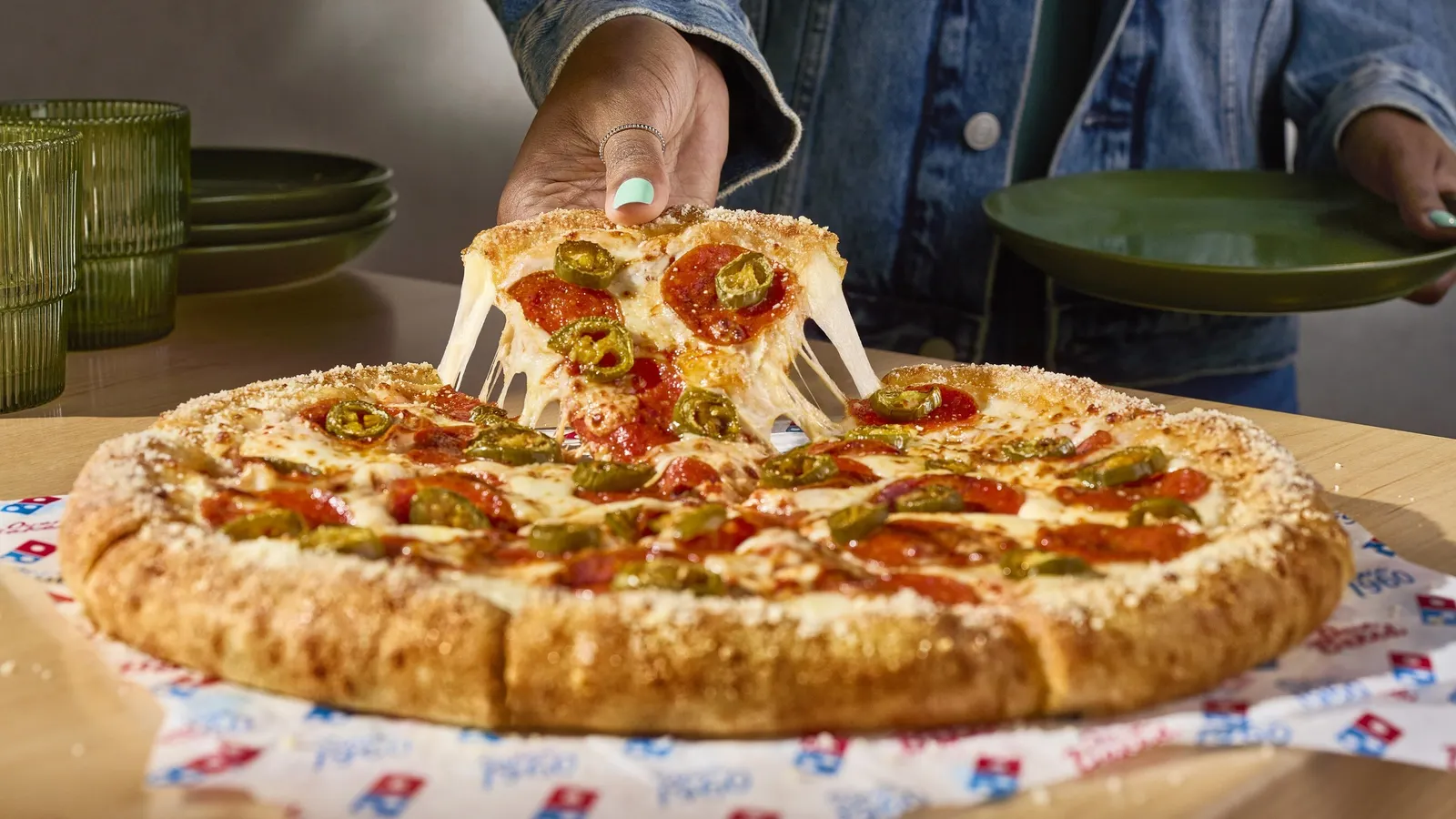
Domino's latest pizza launch and its marketing strategy suggest that fast-food pizza chains are reassessing their competitive positioning as their business model evolves.

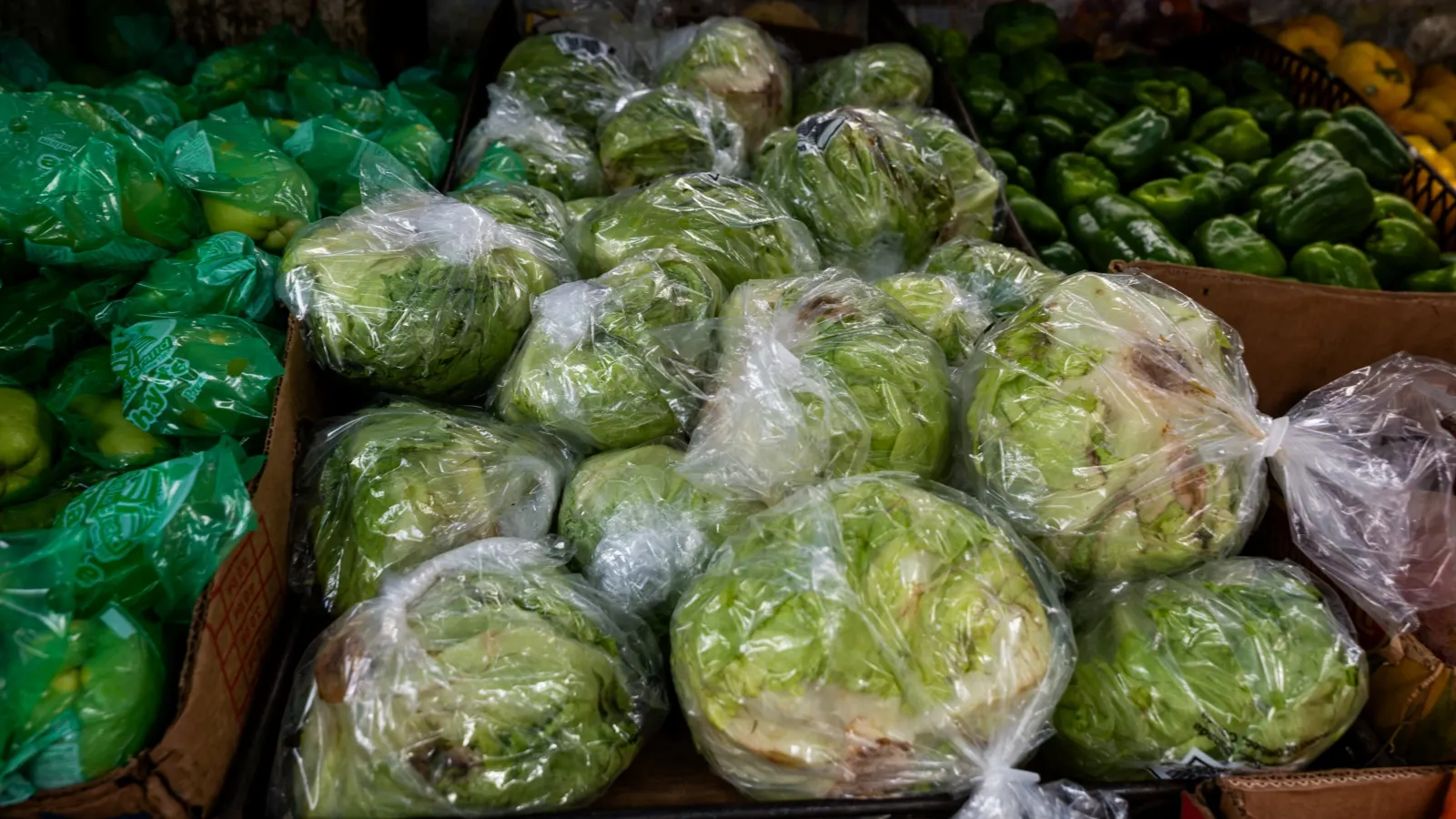
The FDA classified Taylor Farms' iceberg lettuce recall as a high-risk Class I event, signaling heightened food safety enforcement in fresh produce supply chains that restaurant operators depend on.

Technomic identified 50 menu trends expected to grow over the next two years, signaling which categories operators should monitor for customer demand shifts.
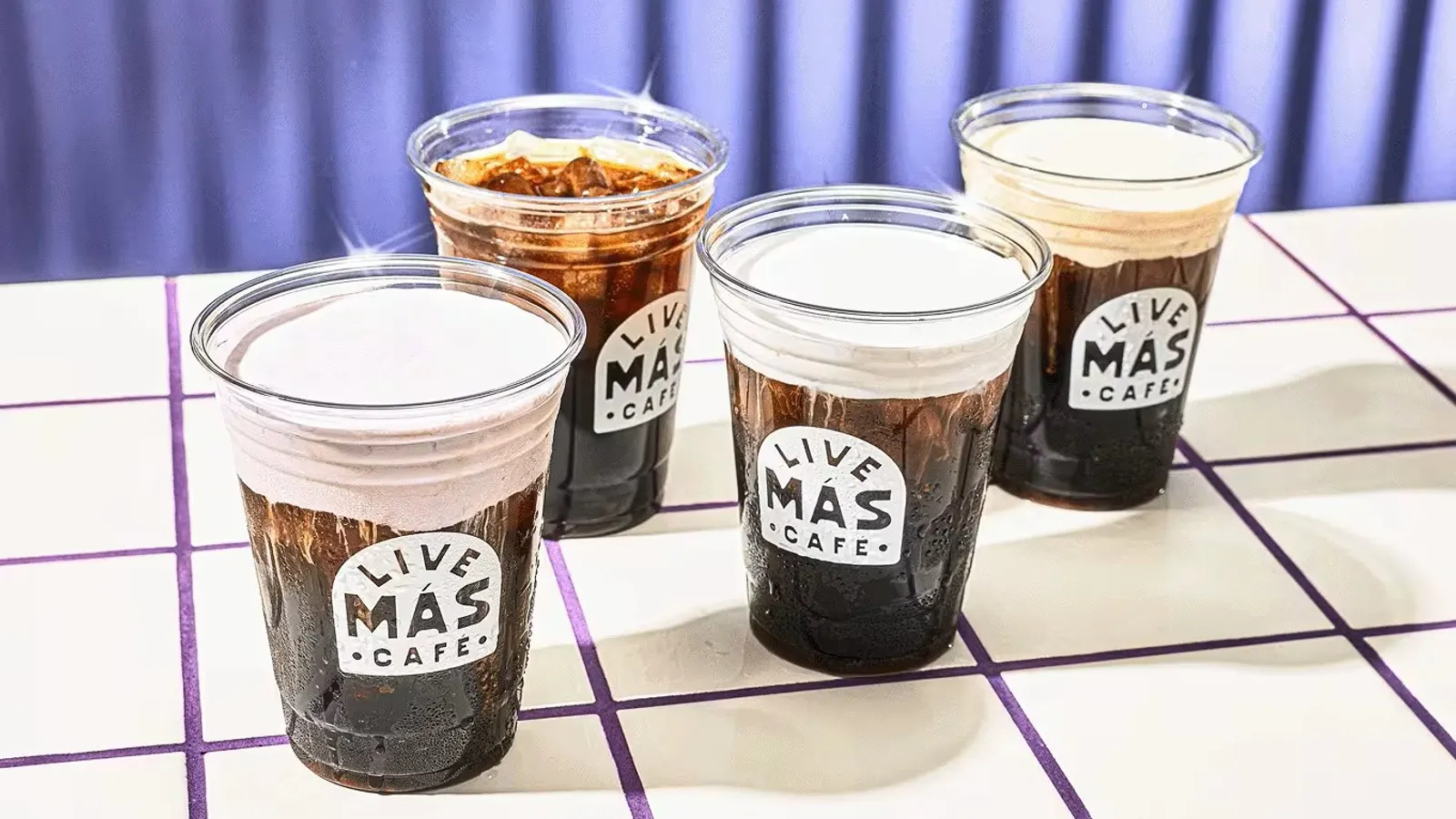
A National Restaurant Association report finds that Gen Z and millennials are driving beverage-only restaurant visits, with demand for coffee variety high but interest in dirty sodas low, though such
Restaurants are facing online criticism for using AI to generate menus and social media content, though some argue the practice deserves more tolerance.

Jamba is expanding beyond beverages and snacks into sandwiches as a center-of-the-plate offering, signaling a strategic shift to compete more broadly in the fast-casual segment.

Olga's Kitchen, a 56-year-old Mediterranean chain, is pivoting toward fast casual after COVID reversed its sales mix from 70% dine-in pre-pandemic to majority off-premise, signaling how legacy concept

Dave & Buster's has announced multiple executive leadership appointments and promotions across operations, marketing, strategy, finance, and technology functions.

Stocks in casual dining chains including Red Robin, Cheesecake Factory, and Cracker Barrel have surged this year, though the broader restaurant market remains subdued.

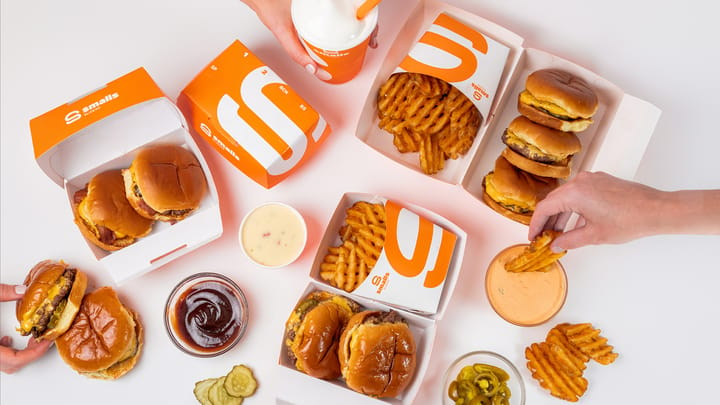
Burger chain Smalls Sliders is expanding its drive-thru franchise model, with founder Brandon Landry drawing on experience from his other franchise concept, Walk-On's.
Established restaurant groups are prioritizing expansion in mid-size markets including Detroit, Nashville, and Kansas City.
Fast-food chains prioritizing digital-only ordering risks abandoning hospitality, a foundational aspect of restaurant operations.
