Fast Casual
US Foods Direct adds PleatPak innovative burger wrappers to platform
Vendor product integration with distributor — modest relevance unless burger-wrapper innovation signals broader packaging/cost trends.

2,379 stories · last 30 days by relevance
Vendor product integration with distributor — modest relevance unless burger-wrapper innovation signals broader packaging/cost trends.
New grab-and-go SKU launch — single-brand product extension with no systemic signal for multi-unit operations or distribution strategy.

Aggregated closure data can signal market stress, but without brand names, unit counts, or reasons given, the story offers no actionable insight for operators.
Vague headline with no detail prevents assessment; bun changes alone lack operational or strategy signal for multi-location brands.
Annual seasonal menu refresh — routine QSR playbook with no strategic or competitive differentiation signal.

Vague bankruptcy notice without chain name, location count, or operator takeaway — insufficient detail to assess relevance.
Single-franchisee expansion plan in three Memphis-area suburbs — no operator-level insight on unit economics or growth strategy.
Kitchen management SaaS adds mobile access to waste/consumption data — relevant for ops teams but no indication of restaurant-brand adoption or scale impact.
A benchmarking database of 100+ major chains and operators can help brands contextualize unit economics, ownership structures, and franchise network scale against peers.
Case study of a regional chain's loyalty marketing leadership — useful for peer benchmark, but limited to vendor audience context.
Management-coaching framework on decision-making and accountability applies broadly to restaurant operations but lacks case studies or chain-specific examples.
Seasonal donut and beverage LTO — standard promotional activity with no broader operational or strategic signal for multi-location operators.

Episode on labor cost strategy — useful if it covers actionable tactics (scheduling, mix, retention) that multi-unit operators can apply.
Pinkbox's viral-trend-inspired LTO is brand-specific marketing tactic with no broader operator insight.

Single-unit opening in a regional market — a data point on J. Alexander's expansion pace, but no strategic insight for multi-location operators.
Single-location opening in a new state — routine unit growth announcement with no chain-level strategic signal for multi-location operators.
Single-founder growth story of a regional 22-unit concept—entrepreneurial narrative without scalable multi-location operator lessons.

Mix of LTO returns and expansion milestones across segments — Jollibee's first U.S. franchise marks entry into domestic franchising model worth monitoring.
Feedback-data aggregation is table stakes for CX, but vendor how-to without case studies or benchmarks is educational content, not news.
Dessert chains are riding pistachio's 300% consumer-engagement surge — menu trend reporting with limited operator takeaway on units, pricing, or platform strategy.

Guest feedback platforms can reduce churn by enabling real-time recovery — useful for operators managing retention at scale, though generic vendor framing limits applicability.
Small regional pizza chain opening fourth location — single-brand growth news below multi-location operator threshold.
Limited-time menu collaboration with packaged-goods IP — standard QSR promotional tactic with no operational or strategic implication.

A once-40-unit brand's near-total collapse is a cautionary tail, though without operational or strategic detail it offers no actionable lesson for surviving operators.
Single-brand menu tweak without strategic context — no broader positioning or operator insight.
Single-unit seasonal menu refresh with house-made syrups — local brand tactic with no relevance to multi-location portfolio strategy.

Two-location opening in one market — routine expansion announcement with no chain strategy or multi-location operator insight.
Award recognition for TabSense's AI platform — validates restaurant tech as competitive differentiator, though no details on adoption or impact provided.
General influencer marketing advice for food brands — not specific to restaurant chain operations or strategy.
Broad food-industry policy roundup with limited restaurant-operator specificity; artificial-color removal and ranching policy are CPG/supply issues, not chain strategy.
UK-market closures — limited relevance to US multi-location operators unless the report names major US chains or signals broader retrenchment.
Social-media-driven menu item (mac-loaded slider) shows fan co-creation driving LTO strategy — niche case study, not a broader operator signal.
Seasonal menu refresh with build-your-own beverage option — incremental LTO strategy but no broader operational or loyalty angle for multi-unit operators.
Value menu refresh targeting $4 price point — signals QSR response to consumer demand but lacks data on margin or traffic lift.

CPG allergen-management case study; relevant only to restaurant brands operating their own manufacturing or managing strict allergen protocols across shared facilities.
Overseas tea-chain earnings rebound after a food-safety scandal—not directly applicable to U.S. multi-location restaurant operators' core business.
Operator cautionary tale on cash-flow mismanagement and rapid scaling — relevant mainly as a cautionary flag for franchisees and investors evaluating restaurant groups.
Grocery supplier recall of frozen berries — relevant to restaurants only if they source GreenWise through Publix; no indication of restaurant-chain impact in snippet.
Routine LTO rollout announcement — no signal on underlying traffic, profitability, or strategic shift.

LTO sandwich launch bundled with promotions — standard QSR tactical play with no insight into franchisee profitability or brand momentum.
Placer.ai foot-traffic data on tax-holiday timing and retail visits — tangential to restaurants; no brand or hospitality insight in available snippet.

Generic industry digest with no detail provided; 'micro-targeting' claim requires actual story to assess relevance.
Vague funding hook with obscure tech mention — insufficient substance for multi-location operators.
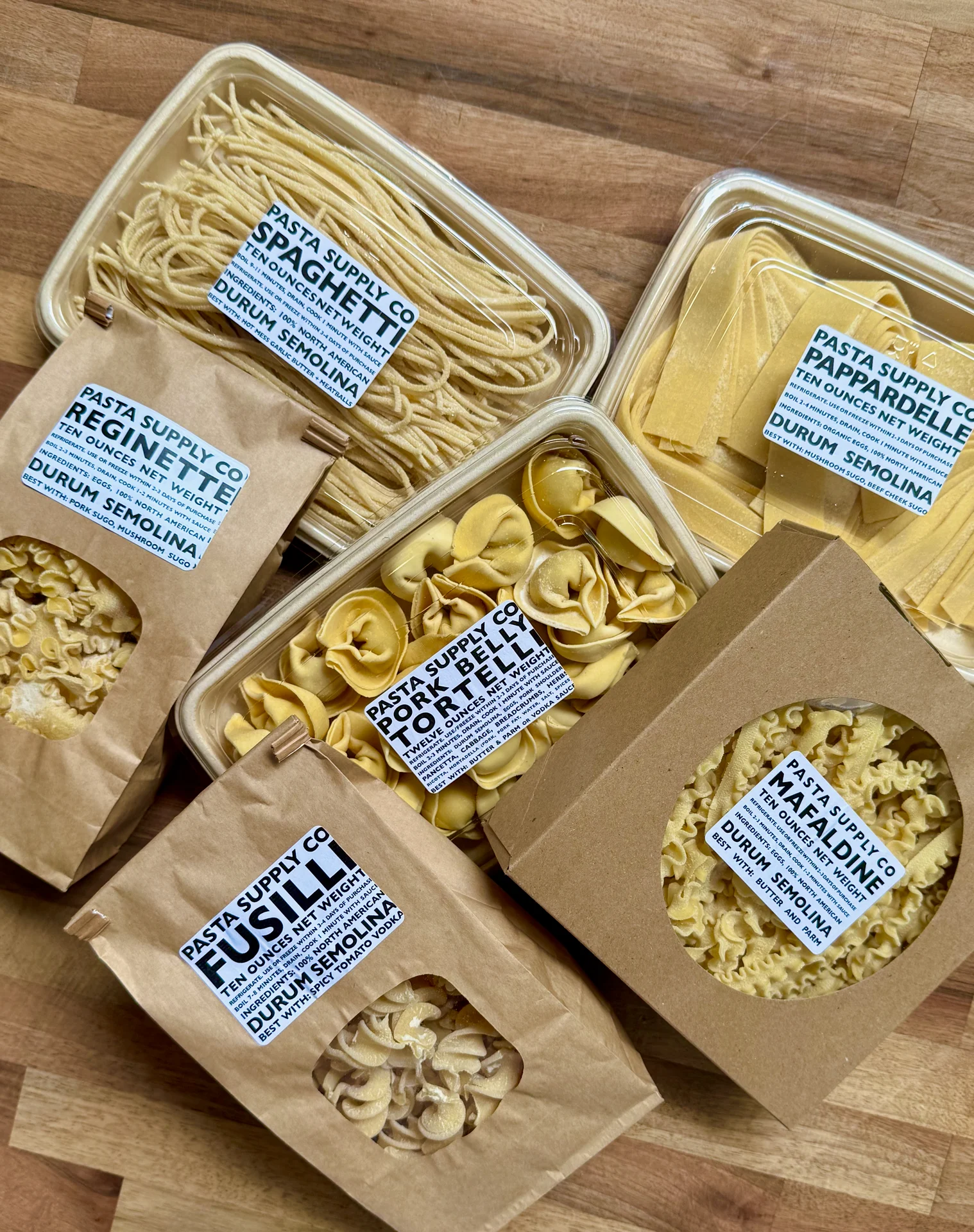
Limited-time branded beverage collaboration — standard co-marketing tactic with CPG partner, no broader operator insight.
Seasonal menu LTO with a partner brand — standard fast-casual differentiation play with no broader operator insight.
Limited-time beverage partnership — routine QSR promotion without implications for loyalty, traffic, or platform strategy.
Value-bundled menu LTO with fresh positioning — Habit's $9 box tests whether premium-casual can compete on sub-$10 pricing without traffic data.
UK pub chain closure is regional news, not a material signal for multi-location US or global operators unless tied to franchising, debt, or macro headwinds.
Local food-community event — not restaurant-brand marketing or operator strategy.
Single-market exit without brand name, financials, or lessons for multi-location operators.