FranchiseWire
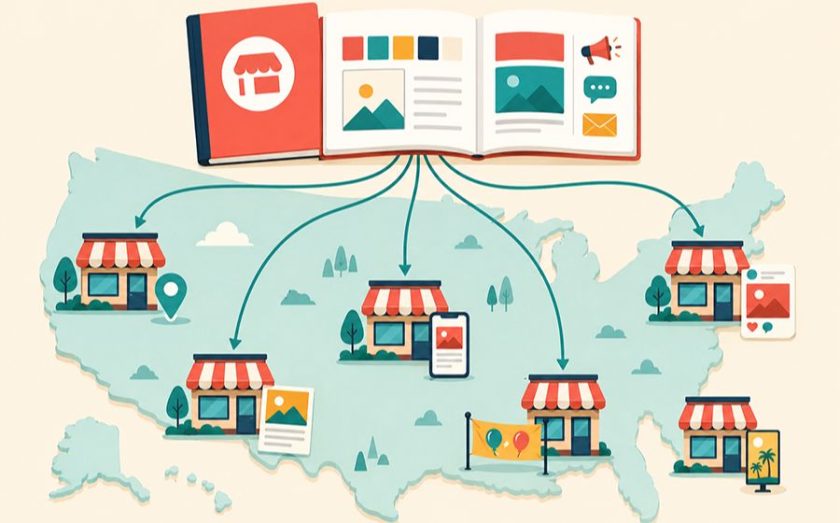
How to Align National and Local Franchise Messaging
Franchisors balancing national brand consistency with local franchisee marketing effectiveness — a key lever for system-wide performance and franchisee retention.
890 stories · last 30 days by relevance
Franchisors balancing national brand consistency with local franchisee marketing effectiveness — a key lever for system-wide performance and franchisee retention.
Industry experts debate whether recent moves at Wendy's and Pizza Hut will improve performance, while data indicates independent restaurants are gaining ground relative to chains.
Pressed Juicery and Chick-fil-A are operating delivery-focused ghost kitchen locations to serve demand and reach new customers, suggesting the model remains viable for select brands despite broader sk
A restaurant news roundup covers Chili's performance, operational roles, and iconic breakfast establishments, reflecting ongoing industry dynamics across chains and independent operators.
Full-service restaurants have shifted their delivery strategy from simply launching a channel to optimizing operations across kitchens and labor models, signaling that delivery management is now a cor

A majority of quick-service restaurant workers who perceived onboarding as inefficient left before their first day, signaling that streamlined hiring processes may reduce pre-employment attrition in t
A recent ruling involving Starbucks has highlighted tensions between maintaining brand standards and complying with labor rights obligations.
Fast food chains' heavy promotional activity in 2024 failed to maintain value perception gains as market saturation and economic uncertainty set in, signaling operators may need to recalibrate their d

Owner secured $240M in funding led by Goldman Sachs Alternatives to develop AI agents aimed at independent restaurants.

A new study claims a proposed $25 minimum wage could cost 5 million jobs, raising questions about what wage increase restaurant operators might find acceptable.

A PAR survey found that three-quarters of diners are open to AI use in restaurants, suggesting operators are unlikely to face widespread consumer resistance to automation adoption.
Some restaurant operators are using AI to develop their own software rather than buying from vendors, a shift that suggests the traditional build-versus-buy calculus may be changing in the tech-enable

The FTC will distribute $23.8 million from Grubhub's 2024 settlement over alleged deceptive practices around driver pay and consumer restrictions, signaling ongoing regulatory scrutiny of gig-delivery
Starbucks is launching its fall pumpkin menu on August 25, later than competitors including Dunkin', Krispy Kreme, Scooter's, IHOP, and Panera, which are releasing their autumn lineups earlier.

Beyond Juicery reports that all franchise owners adopted its new pricing strategy while maintaining customer traffic in a difficult operating environment.

A major foodborne illness outbreak involving cyclospora and other pathogens is highlighting vulnerabilities in restaurant supply chains and food safety protocols.

Restaurant technology has not produced a major IPO in five years; industry observers are tracking 10 companies as potential candidates to break the drought.

Bank of America data shows bars and independent restaurants are outperforming chains, while consumers are shifting spending from grocers to restaurants.
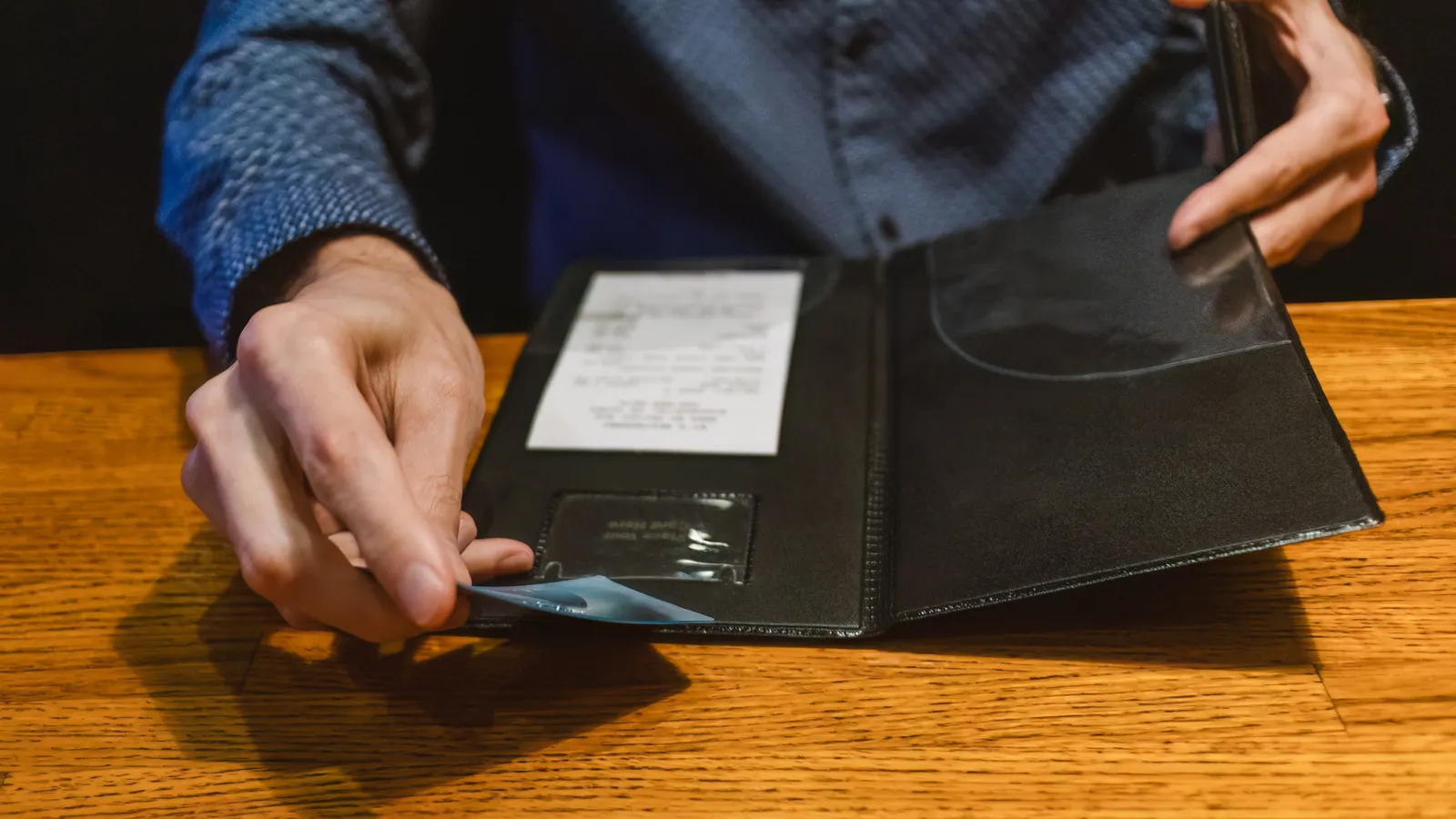
DoorDash launched a season-long rewards program called 'Don't Fan for Free' tied to college football, aiming to capture fan engagement and order frequency during the 2026 season.
AI is collapsing the cost of labor-intensive consulting work (prime cost optimization) — operators should expect faster, cheaper tools for operational diagnostics.

A lettuce recall involving Taco Bell and Taylor Farms this summer illustrates how restaurants can unknowingly distribute contaminated products sourced from suppliers, underscoring the need for robust

Fast-casual and quick-service chains are adding shrimp to limited-service menus as a protein option perceived as cost-effective and adaptable across cuisines.

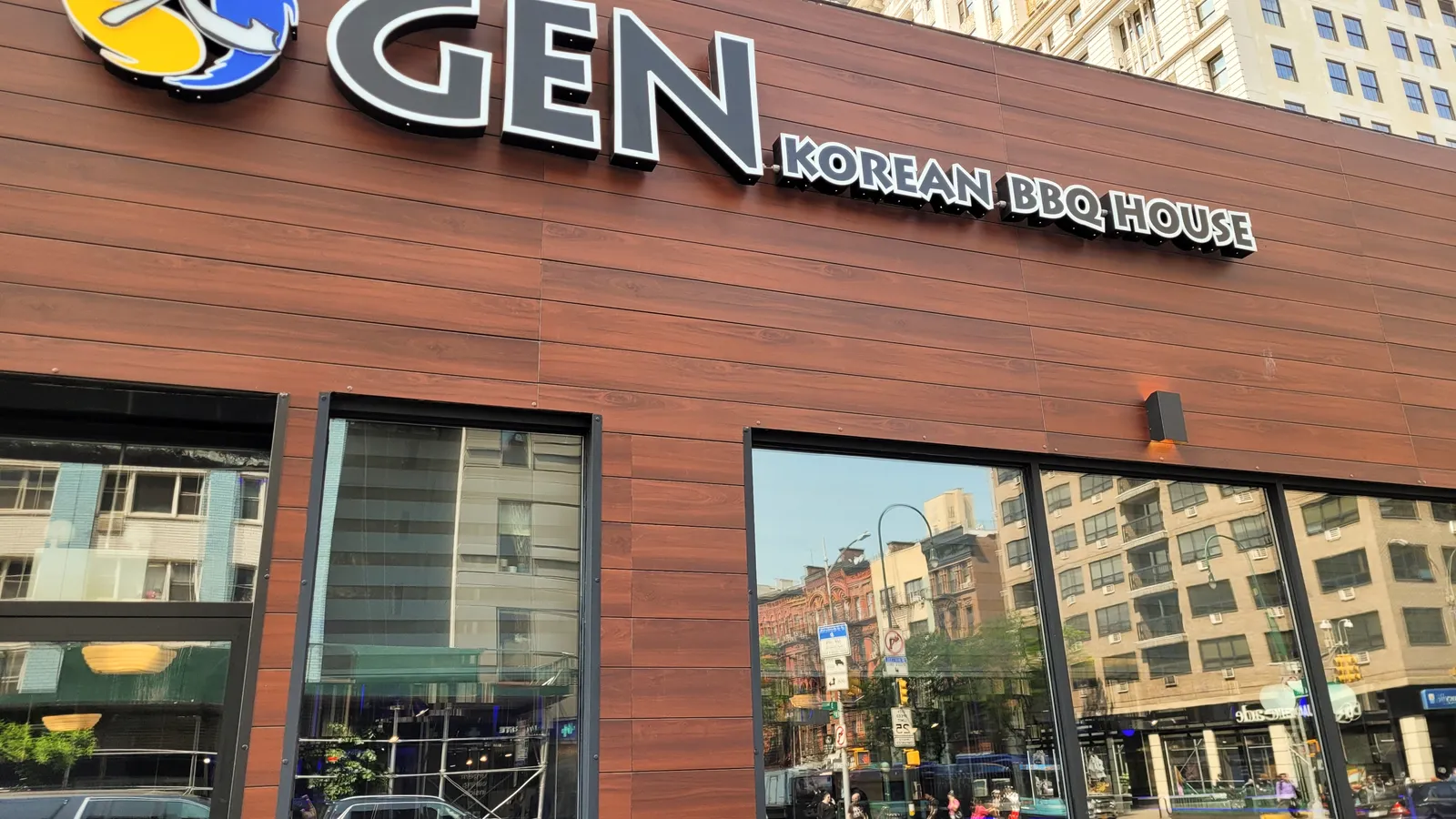
Gen Restaurant Group is considering a $100M offer for its BBQ chain, potentially freeing capital to shift toward consumer packaged goods with lower development costs.
Jollibee listed on the Hong Kong stock exchange, expanding its capital-raising options as the Philippine chain pursues international growth.
Franchise owners are managing multiple locations' back-office work during off-hours to avoid hiring additional staff, suggesting operational inefficiencies across multi-unit systems.

CoCo Ichibanya's stock price rose after the Japanese curry chain announced it is considering a sale.
Restaurant operators are prioritizing expansion strategies rather than scaling back operations in 2026.
Congressman Nadler and Representative Frost have called for an antitrust investigation into Sysco's $29.1 billion acquisition of Restaurant Depot, citing concerns that the deal could raise costs for r
Restaurant brands are increasingly using AI and location data to refine site selection, marketing, and loyalty programs, reflecting broader shifts in how operators approach foot-traffic strategy in a
OpenTable's AI-powered reservation links generated 17x more seated diners year-over-year, suggesting AI personalization is driving measurable reservation volume gains for the platform.
The Scream Truck is positioning itself for franchise expansion by adding brand partnership revenue opportunities alongside its ice cream operations.

Sysco reported record fiscal 2026 sales of $84.6 billion and announced a $29.1 billion acquisition of Jetro Restaurant Depot, signaling aggressive consolidation in the food-service distribution market
KFC and Taco Bell's chief technologist is deploying AI and automation tools across the brands' combined restaurant footprint, signaling restaurant operators' continued investment in labor-augmenting t
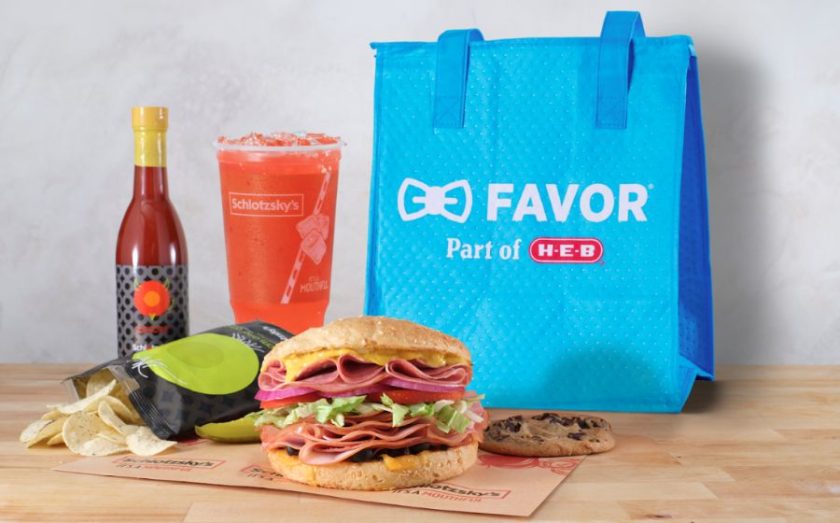
GoTo Foods partnered with Favor, H-E-B's delivery platform, to expand delivery across five of its brands in 550 Texas locations, signaling a shift toward leveraging regional logistics partners to opti
Burger King is being called the hottest chain in America while Salad and Go shuttered all locations; major QSR chains including McDonald's and Wendy's reported quarterly earnings.
Burger King gained attention as a top performer while Salad and Go shut down all locations; meanwhile major chains including McDonald's and Wendy's released quarterly earnings.
Two beverage chains—7 Brew and Dutch Bros—are competing in a court-supervised auction for bankrupt Salad and Go's closed locations, with Dutch Bros having initially offered $105 million.
New research shows GLP-1 adoption is dynamic and varies significantly by restaurant, with men representing an underappreciated user segment—signaling that chains may need to recalibrate their assumpti
A PAR e-book reports that roughly one-third of restaurant operators are using AI as an analytical tool rather than just for reporting, suggesting a shift toward more interactive data exploration in re
New IRS overtime rules now require employers to report eligible overtime compensation on employee W-2 forms, signaling a shift in how restaurant payroll documentation will need to be handled.

AI adoption in restaurant kitchens is accelerating beyond transaction-focused systems, though many operators remain uncertain about specific operational applications.
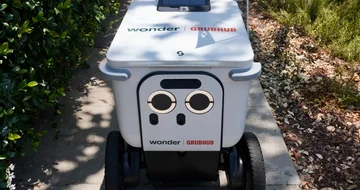
Wonder and Serve Robotics are expanding autonomous delivery through Grubhub to Chicago, Los Angeles, and Alexandria, Virginia, signaling growing adoption of robotic fulfillment in restaurant order log
AI discussions have become ubiquitous among restaurant executives across marketing, operations, labor, and guest experience functions, suggesting the industry has moved past early skepticism to treati

Congress has passed the Common Cents Act, which establishes rounding guidelines for penny phase-out, building on a Trump administration executive order from 2025.

SoundHound AI and Acrelec have partnered to develop AI-powered drive-thru technology, signaling continued investment in voice-ordering automation for quick-service restaurants.
Aggregate of seasonal menu drops and single-franchise openings — illustrative of mid-market promotional activity but no systemic operator insight.
Dickey's Barbecue Pit incurred a $36.8K regulatory fine and $700K arbitration loss, signaling potential franchise relationship or compliance challenges within the chain.
Canadian Tire and Tim Hortons have launched a partnership to enhance their loyalty programs.
Haidilao has adopted Infobip's data-driven personalization platform to enhance its global loyalty program, suggesting the chain is investing in customer retention tools as it expands internationally.