FSR Magazine
Via 313 Introduces New DLX 313 Four-Flavor Pizza
Premium pizza LTO is a promotional tactic; no data on pricing strategy impact or multi-unit rollout plans.

875 stories · last 30 days by relevance
Premium pizza LTO is a promotional tactic; no data on pricing strategy impact or multi-unit rollout plans.
Seasonal coffee menu refresh — routine annual promotion without data on traffic lift, basket impact, or multi-unit strategy.

Recurring sports-tie promotional offer with no broader operator signal or competitive implication.

Single-location opening in mixed-use destination — relevant only if this brand is tracking toward 25+ units.

Routine LTO announcement with no broader insight into menu strategy, pricing, or competitive positioning.
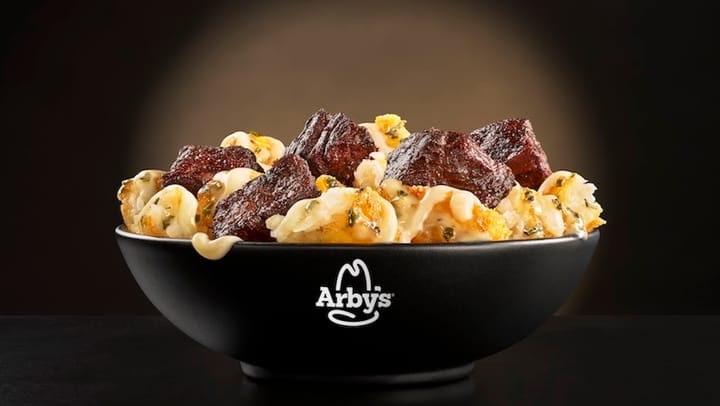
Returning seasonal beverage at a franchise chain — routine LTO refresh with no strategic signal.

Routine seasonal flavor rotation — standard promotional tactic with no operator differentiation signal.
Celebrity co-branded LTO — celebrity tie-ins are marketing tactics with little operational value for chain executives.
Inc. 5000 ranking reflects growth trajectory but offers no operator insight into unit economics, loyalty, or competitive positioning.
NYC fine-dining venue lease dispute — single-market real-estate issue with limited relevance to multi-location operators.

Vendor product integration with distributor — modest relevance unless burger-wrapper innovation signals broader packaging/cost trends.

New grab-and-go SKU launch — single-brand product extension with no systemic signal for multi-unit operations or distribution strategy.
Seasonal donut and beverage LTO — standard promotional activity with no broader operational or strategic signal for multi-location operators.

Pinkbox's viral-trend-inspired LTO is brand-specific marketing tactic with no broader operator insight.

Single-founder growth story of a regional 22-unit concept—entrepreneurial narrative without scalable multi-location operator lessons.

Small regional pizza chain opening fourth location — single-brand growth news below multi-location operator threshold.
Single-unit seasonal menu refresh with house-made syrups — local brand tactic with no relevance to multi-location portfolio strategy.

Two-location opening in one market — routine expansion announcement with no chain strategy or multi-location operator insight.
LTO sandwich launch bundled with promotions — standard QSR tactical play with no insight into franchisee profitability or brand momentum.
Limited-time beverage partnership — routine QSR promotion without implications for loyalty, traffic, or platform strategy.
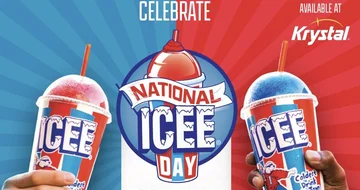
Monthly limited-time burger promotion — routine product marketing with no operator takeaway on pricing, positioning, or traffic impact.

Founder argues against knee-jerk cost-cutting in downturns — signals that operational resilience, not margin preservation alone, matters to multi-unit operators navigating inflation and labor pressure
Single independent pizzeria's direct-ordering strategy shows viable DoorDash alternative, but lacks multi-location scale or replicability data.
Single-location franchise opening in a niche beverage category—no broader market signal for multi-location operators.
Regional slider brand runs charitable LTO in Michigan — single-market promotional tie-in with no strategic relevance to broader operators.
Routine LTO sandwich introduction — standard category innovation with no chain-strategic or competitive implication.

Seasonal menu refresh with LTO cocktails and Build Your Own Mimosa — tactical promotion without chain-level strategy or performance data.

Vendor product launch with no named chain customer or adoption data — typical B2B martech positioning without operator takeaway.
Monthly LTO cocktail promotion — routine seasonal beverage marketing with no operator takeaway.

Topgolf arcade partnership expands venue experience but is ancillary entertainment, not core to multi-location restaurant operator strategy.
Mid-size regional coffee brand running seasonal promotions—no innovation or multi-location growth signal.
Sports sponsorship with co-branded menu item — routine sports-marketing activation without broader operator takeaway.
Promotional tie-in to awareness day — routine one-day deal with no strategic implication for loyalty or margin.
Vacation club meal program launch — tangential to restaurant chains; hospitality-focused, not chain-food ops.
Experimental concept closure offers no strategic signal — single-location format test wind-down is routine portfolio management.
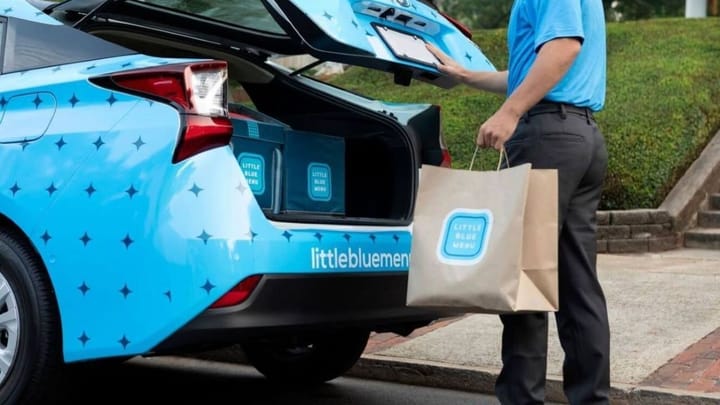
Single-brand partnership with university marching band is local/regional marketing noise — no multi-unit operator relevance.
Brand partnership and limited-edition merchandise tie-in — typical casual-dining experiential marketing with no operator-level insight.

Seasonal LTO — standard promotional calendar activity with no broader operator takeaway.

Lifestyle affinity program for casual diners — modest differentiation without clear loyalty mechanics or data capture value.
Opinion/lifestyle piece on independent vs. chain thinking — no specific chain strategy, tech, or financial trend for multi-location operators to act on.

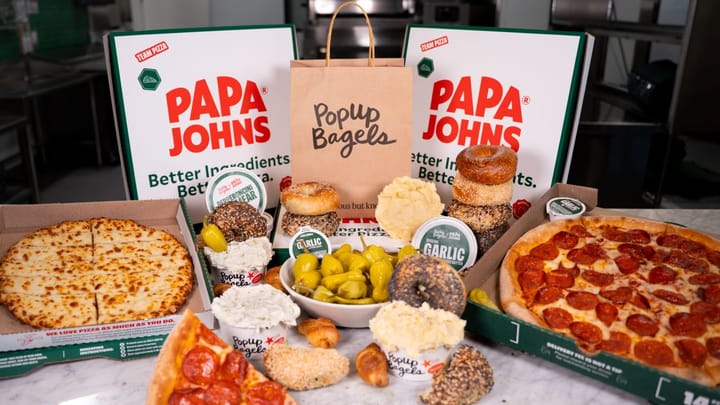
Limited co-brand promotion with a bagel vendor — tactical novelty marketing without broader operator insight.
Seasonal cocktail trend listicle — generic beverage content with no chain strategy or operator insight.
Celebrity LTO promo with no disclosed unit count or sales impact — standard marketing stunt, not a strategic insight for multi-location operators.

Single-day value promotion at a regional burger chain — routine promo with no broader strategic signal.
One location's limited beverage offering — no strategic signal for multi-unit operators beyond a niche trend observation.

Single-brand expansion into a new region — typical unit-growth announcement with no multi-location operator takeaway.
Indie pizza survival tactics against national value offers — niche advice for single-location or very small chains, not applicable to 25+ unit operators.
Charity promotion tied to a single event — tactical PR with no implication for loyalty, economics, or competitive positioning.
Single-brand limited-time sandwich return — no signal for multi-location strategy or broader market trend.

Seasonal app-driven promotion — routine loyalty mechanics without newsworthy operator takeaway.