Bangkok Post
Minor acquiring Bonchon Korean chicken chain
Minor Food, a Thai restaurant operator, is acquiring Bonchon, a Korean chicken chain.
2,417 stories · last 30 days by relevance
Minor Food, a Thai restaurant operator, is acquiring Bonchon, a Korean chicken chain.
GLP-1 medication adoption is prompting pizza operators to rethink menus with smaller portions and protein-focused options as consumers reduce overall food consumption.
SoundHound AI and Acrelec have partnered to develop AI-powered drive-thru technology, signaling continued investment in voice-ordering automation for quick-service restaurants.
A global dining company is closing 261 restaurants, including a steakhouse chain.
Jim Cramer discussed Restaurant Brands International's Q2 earnings on Mad Money, highlighting a divergence between Burger King's performance and broader challenges at the parent company.
Wendy's comparable-store sales declined 7% while an insider sold shares tied to RSU vesting; the transaction was non-discretionary and does not necessarily signal confidence or concern about buyout sp
Shake Shack's CEO discussed inflationary pressures on beef costs in Q2 2026 as the chain's digital sales reached 41% of total revenue.
Wendy's U.S. same-store sales growth remained weak in June, according to Morgan Stanley, suggesting the company faces near-term headwinds in domestic comparable sales.
Thailand's Minor Group has acquired full ownership of Korean fried chicken chain Bonchon, signaling the conglomerate's strategy to establish a globally scaled restaurant platform.
Foodservice automation is becoming economically viable for hospitality operations.
Pilot Flying J has deployed fast-food kiosks at its locations that integrate third-party delivery apps, signaling a shift toward digital ordering infrastructure in the convenience-store channel.
Jollibee is celebrating a decade in Canada with a promotional campaign and plans to open 26 additional restaurants, signaling continued confidence in the market despite competitive quick-service press
Jollibee plans to open 26 new restaurants in Canada, signaling the Philippine chain's continued expansion into North American markets.
Chowbus and Maple have partnered to offer multilingual voice AI ordering technology to restaurants.
Domino's developed a single-serve pizza with design goals centered on taste, customization, and operational efficiency, with the rectangular shape echoing the brand's iconic logo.

A podcast episode featuring a TD Bank restaurant finance executive discusses Subway's plan to extend late-night hours and its potential profit implications.

Major QSR's first-ever loyalty program represents a late-to-market entrant entering a table-stakes competitive battleground with 100+ units expected.
A Stamford-based equity firm has completed a $1.5 billion acquisition of a major pizza restaurant chain.
Commercial real estate dynamics are shifting the restaurant landscape, with industry experts discussing how operators should adapt to changing lease and location strategies.

Freddy's Frozen Custard & Steakburgers signed an eight-unit franchise agreement to expand in Arkansas and Texas, continuing its franchise growth strategy in the South.

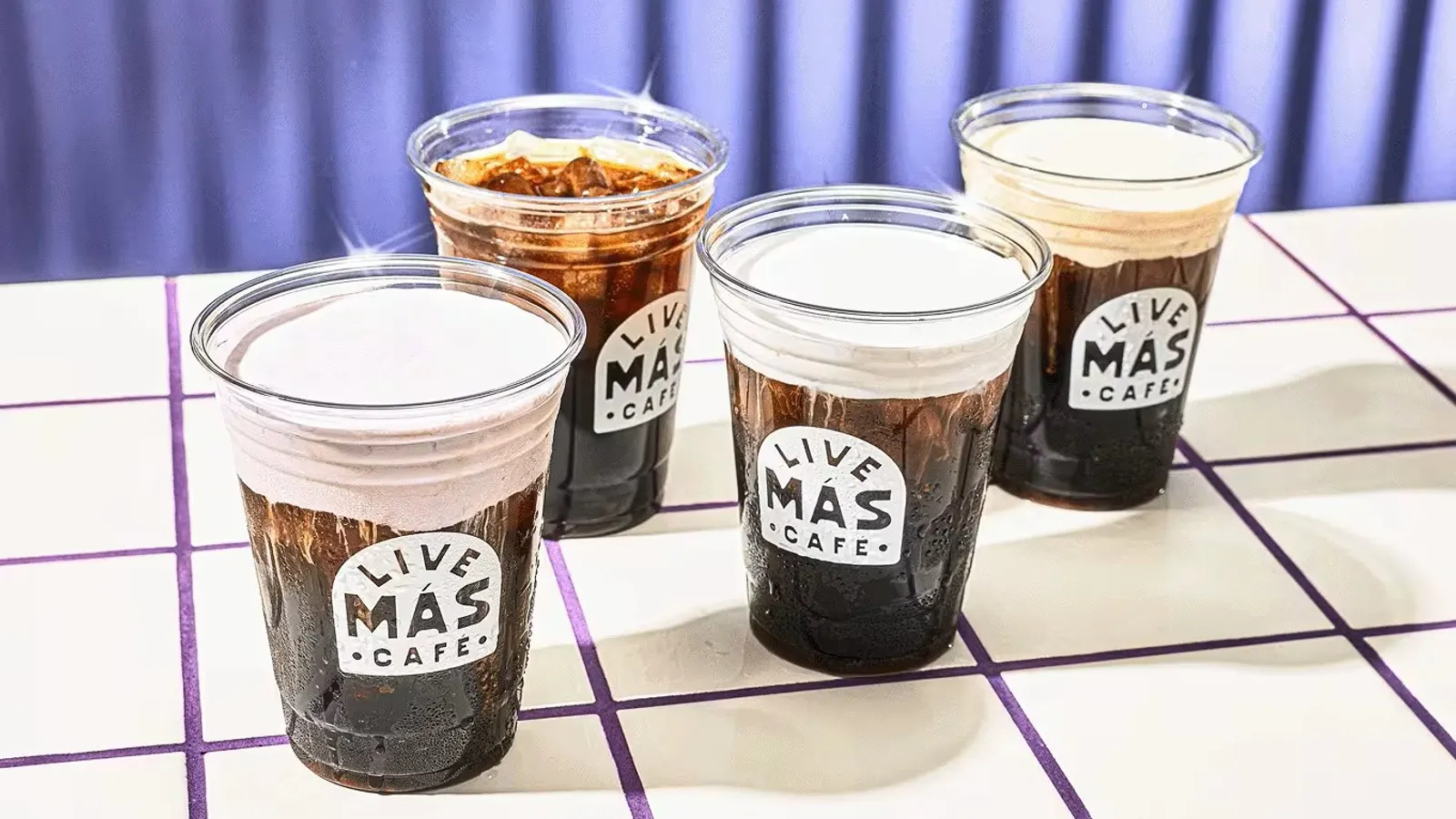
Coffee concepts are gaining share while pizza concepts face headwinds, and some established QSR chains are undergoing turnarounds, according to Restaurant Dive's Q2 2026 analysis.
The FDA classified Taylor Farms' iceberg lettuce recall as a high-risk Class I event, signaling heightened food safety enforcement in fresh produce supply chains that restaurant operators depend on.

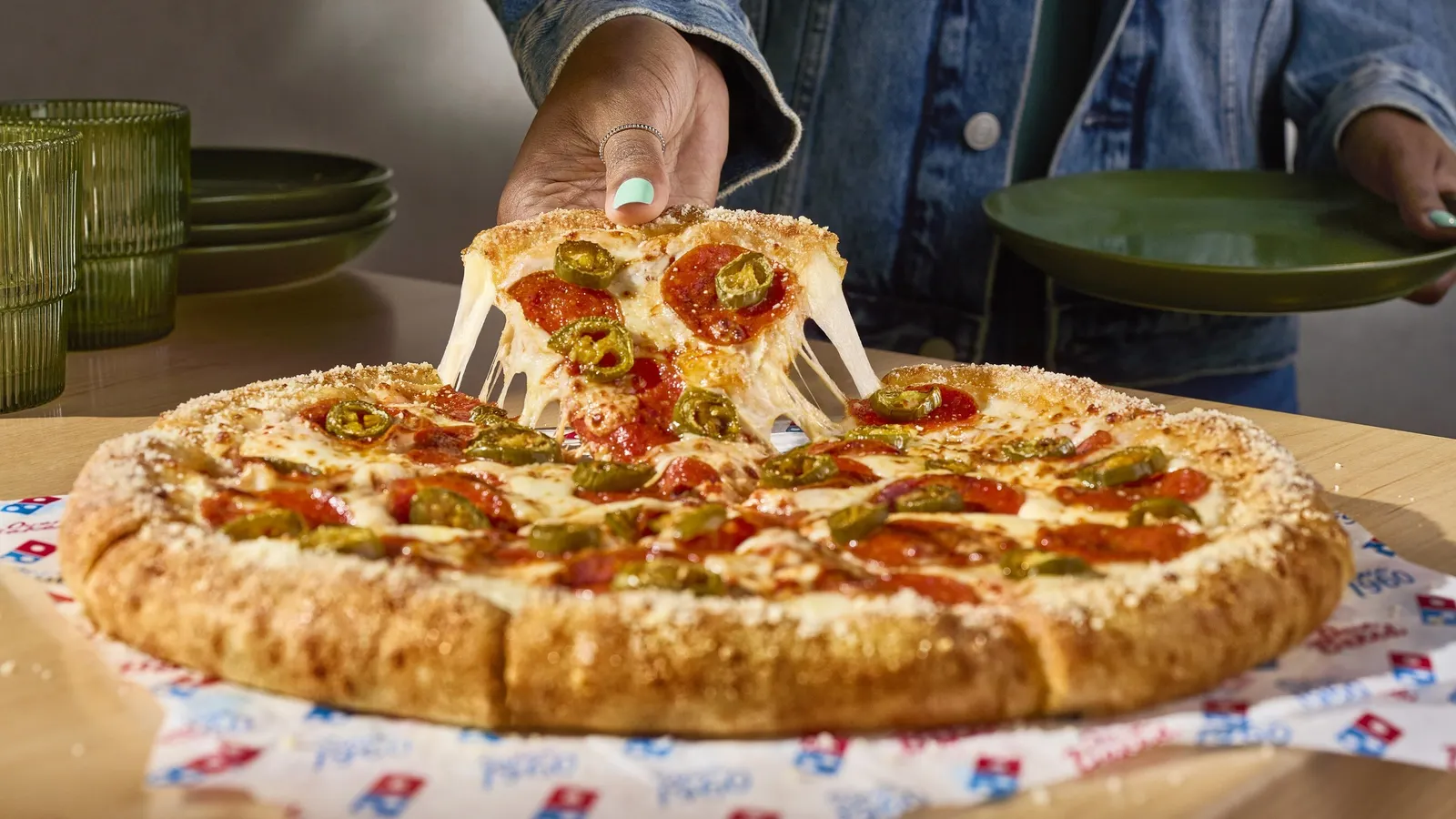
Domino's latest pizza launch and its marketing strategy suggest that fast-food pizza chains are reassessing their competitive positioning as their business model evolves.

Technomic identified 50 menu trends expected to grow over the next two years, signaling which categories operators should monitor for customer demand shifts.
Chipotle launched a reformulated Pollo Asado and new Chili Lime Chips (inspired by a viral fan trend) as limited-time offerings, signaling the chain's responsiveness to social media-driven consumer pr
McDonald's returned $37 billion to shareholders through buybacks and dividends while its stock underperformed the broader market, raising questions about capital allocation efficiency.
Brinker International issued fiscal 2027 guidance above Wall Street consensus, projecting adjusted EPS of $12.60–$13.40 and revenues of $6.15B–$6.27B, which helped drive a recent stock surge despite m
UBS predicts US restaurant traffic will stabilize in the second half of the year following weak first-half performance, suggesting operators may see relief from consumer spending pressures.
Owner, a restaurant tech platform, raised $240 million to expand its AI-powered technology and marketing services.
A National Restaurant Association report finds that Gen Z and millennials are driving beverage-only restaurant visits, with demand for coffee variety high but interest in dirty sodas low, though such
Wendy's new CEO Bob Wright attributes the chain's loss of the No. 2 burger market position to Burger King to prioritizing cost savings over quality, and is implementing a five-point turnaround plan.
Restaurants are facing online criticism for using AI to generate menus and social media content, though some argue the practice deserves more tolerance.

Stonegate Capital Partners initiated coverage on Yum! Brands, noting that recent earnings suggest the company's financial performance is increasingly dependent on Taco Bell's U.S. growth and KFC's per
Jamba is expanding beyond beverages and snacks into sandwiches as a center-of-the-plate offering, signaling a strategic shift to compete more broadly in the fast-casual segment.

Square and OpenTable have expanded their partnership to integrate their platforms across the restaurant guest journey.
Starbucks is reducing its workforce further as part of a $2 billion turnaround effort, while simultaneously expanding operations in a Southern U.S. city.
Starbucks Workers United is calling for a customer boycott of the coffee chain, citing failed contract negotiations with more than 12,000 unionized baristas.
McDonald's emphasized progress on a unified digital platform integrating its app, loyalty program, and back-office systems across major markets, signaling potential operational efficiency gains for th
Olga's Kitchen, a 56-year-old Mediterranean chain, is pivoting toward fast casual after COVID reversed its sales mix from 70% dine-in pre-pandemic to majority off-premise, signaling how legacy concept

Wendy's is funding a quality improvement initiative with franchisees bearing the majority of costs, suggesting the chain is shifting financial burden to its franchise network rather than absorbing it
Chipotle's stock rose despite a downgrade from Baird, which cautioned that the chain may need higher spending to achieve historical sales growth rates.
Dave & Buster's has announced multiple executive leadership appointments and promotions across operations, marketing, strategy, finance, and technology functions.

Stocks in casual dining chains including Red Robin, Cheesecake Factory, and Cracker Barrel have surged this year, though the broader restaurant market remains subdued.

Darden Restaurants reached a 52-week high on the back of record sales and strong Q4 earnings, with a $1.5 billion buyback underway, while competitors Domino's and Chipotle faced headwinds.
CAVA posted 9% comparable-sales growth and 5.3% traffic gains in Q2, though food-safety concerns may pressure near-term performance.
BJ's Restaurants is experiencing strong traffic growth and has raised guidance, signaling that menu innovation may be contributing to its current momentum.
Analysts have raised their fair value estimate for Brinker International (parent of Chili's), reflecting optimism around the chain's same-store sales performance.
Burger King is recovering while Tim Hortons growth is slowing, according to parent company Restaurant Brands International's recent performance.
Red Robin plans to refranchise 116 stores, a move that could reduce debt and shift revenue toward franchise operations, though success will depend on execution and cost structure adjustments.
Domino's holds 23% of the U.S. pizza market with rising orders and new store openings, suggesting operational momentum despite ongoing U.S. sales headwinds and franchisee margin pressures.